

News

Can You Drink Matcha Every Day? Daily Amounts and Ritual
Can You Drink Matcha Every Day? Daily Amounts and Ritual

Yes. For most healthy adults, drinking matcha every day is a normal habit, and a four-week randomized, placebo-controlled trial that measured sleep with EEG found no change in total sleep time, sleep latency or sleep efficiency in people taking 2.7...

Read moreabout Can You Drink Matcha Every Day? Daily Amounts and Ritual

Does Matcha Have L-Theanine? The Amino Acid Behind Calm Focus

Does Matcha Have L-Theanine? How Much Is in a Bowl
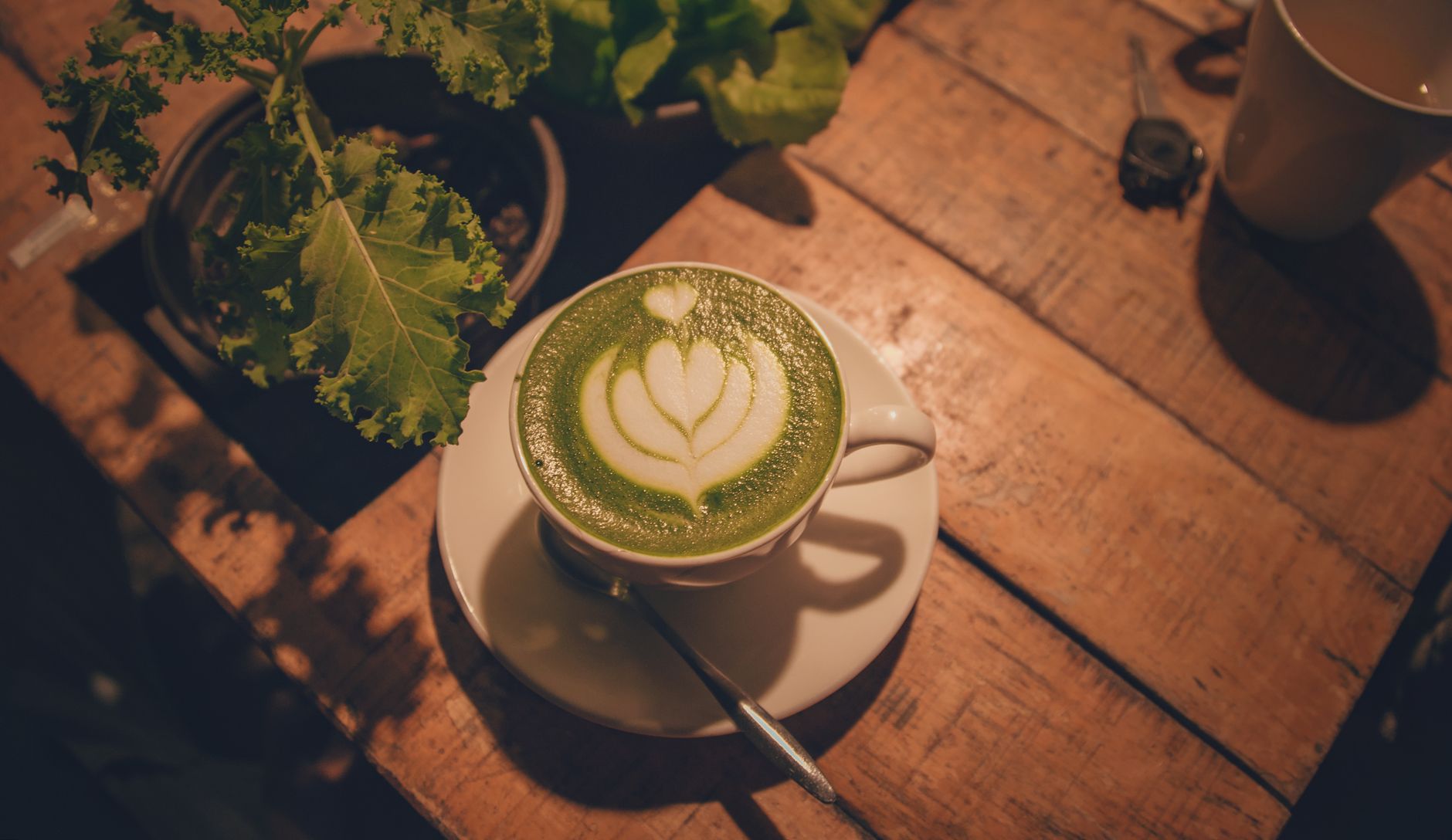
Yes, matcha contains L-theanine, and published analyses of unadulterated commercial powder put it between about 4 and 45 milligrams per gram. A 2 gram bowl therefore delivers somewhere between 8 and 90 mg. That tenfold spread is not measurement sloppiness....

Read moreabout Does Matcha Have L-Theanine? How Much Is in a Bowl

Does Matcha Stain Teeth? An Honest Answer
Does Matcha Stain Teeth? An Honest Answer

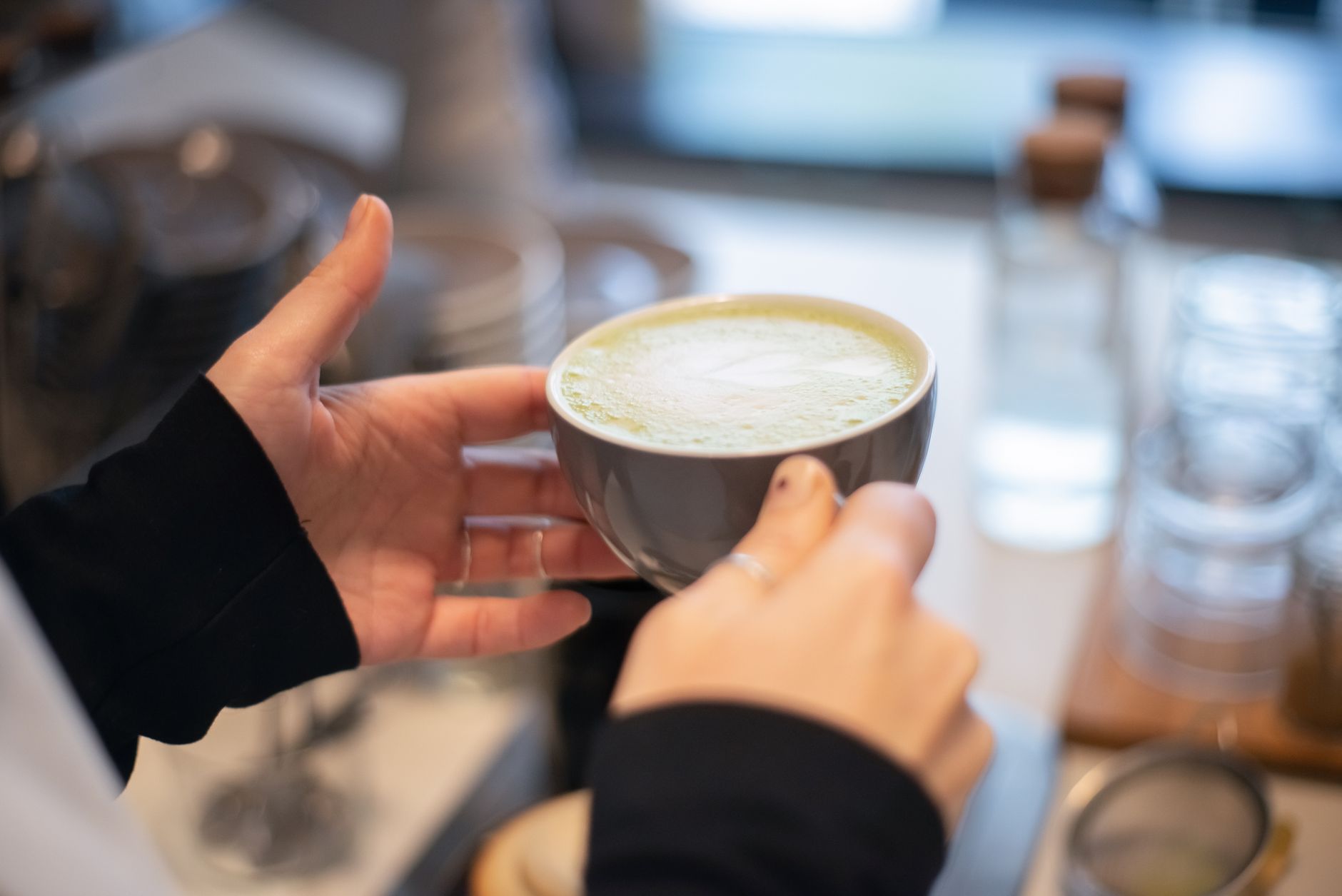
Does matcha stain teeth? Yes, it can. In 2024 and 2025 lab tests, matcha discolored tooth-colored filling material about as much as coffee did, and green tea discolored bovine (cow) tooth enamel about as much as coffee too, with black...

Read moreabout Does Matcha Stain Teeth? An Honest Answer

Is Matcha Better Than Coffee? An Honest Comparison
Is Matcha Better Than Coffee? An Honest Comparison

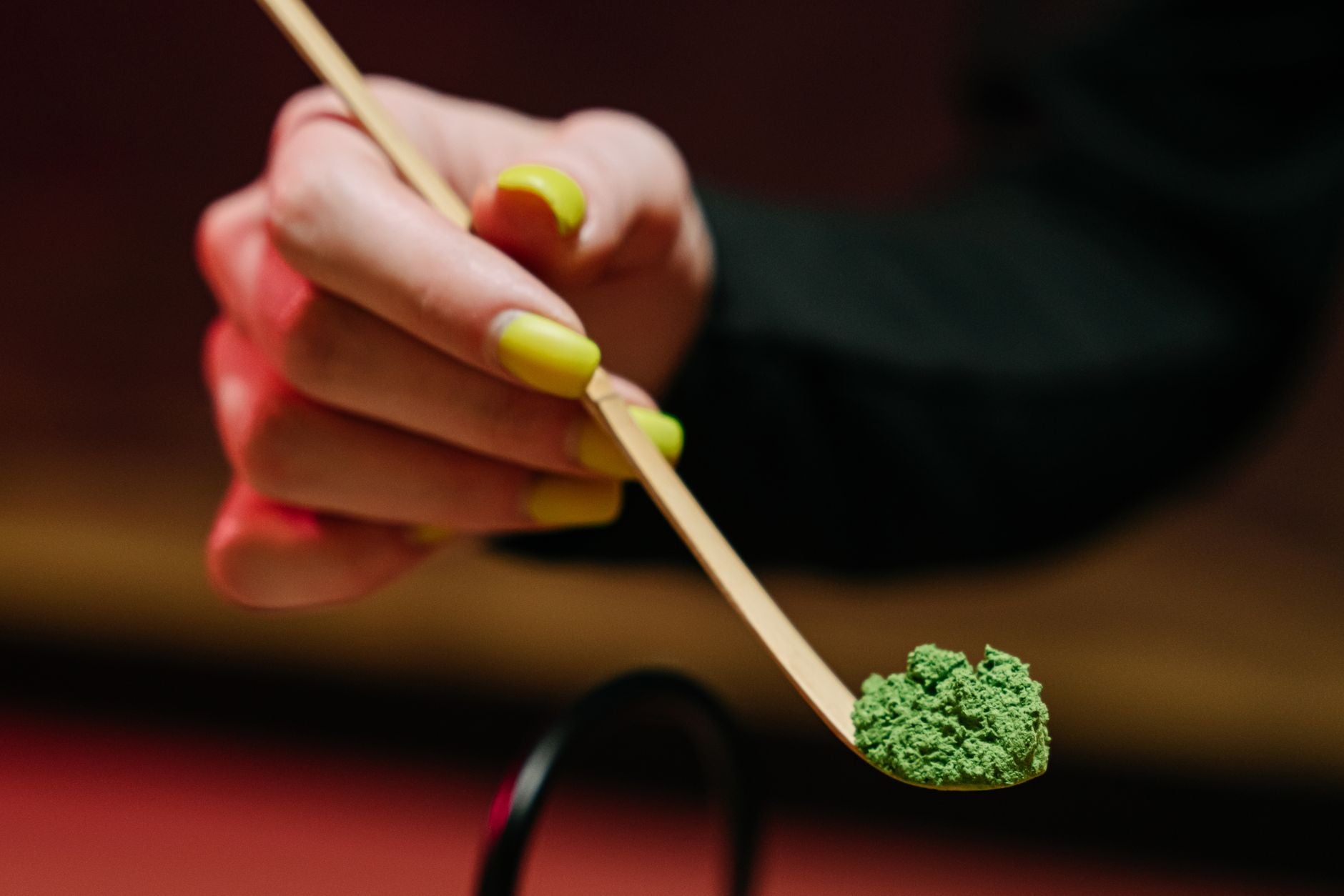
Matcha is not better than coffee in any absolute sense, and coffee is not better than matcha. The better choice depends on the experience you want. Matcha, a stone-ground powder made from shade-grown Camellia sinensis leaves, tends to give calmer...

Read moreabout Is Matcha Better Than Coffee? An Honest Comparison

Does Matcha Expire? Shelf Life, Freshness Signs, and Storage

Does Matcha Expire? Shelf Life, Freshness Signs, and Storage

Matcha has a best-before date, not a use-by date. Dry matcha past its date is safe, just faded. Here's how to tell, and when to throw it out.

Read moreabout Does Matcha Expire? Shelf Life, Freshness Signs, and Storage
Is Matcha Bad for You? An Honest, Lab-Data Answer
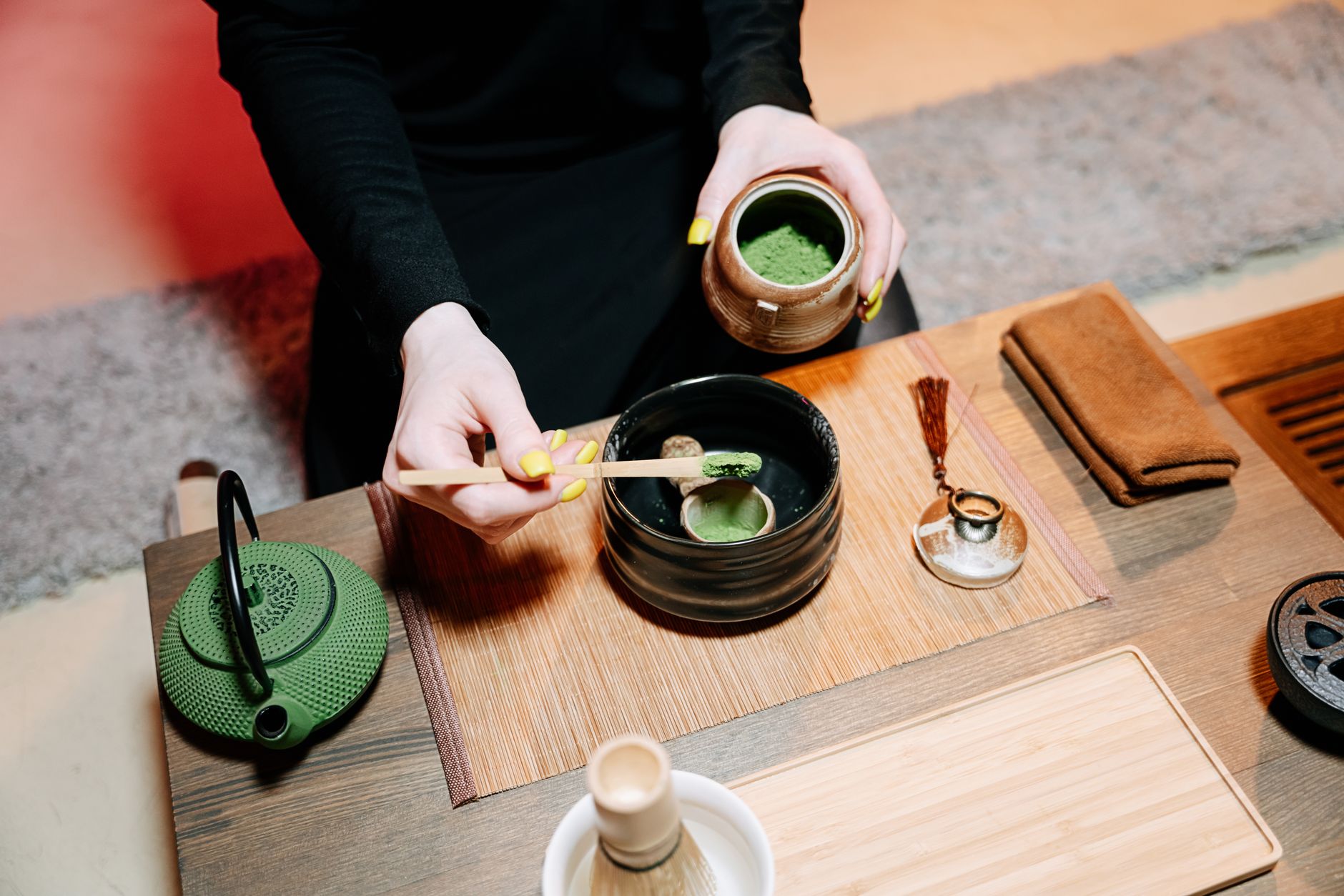
Is Matcha Bad for You? An Honest, Lab-Data Answer

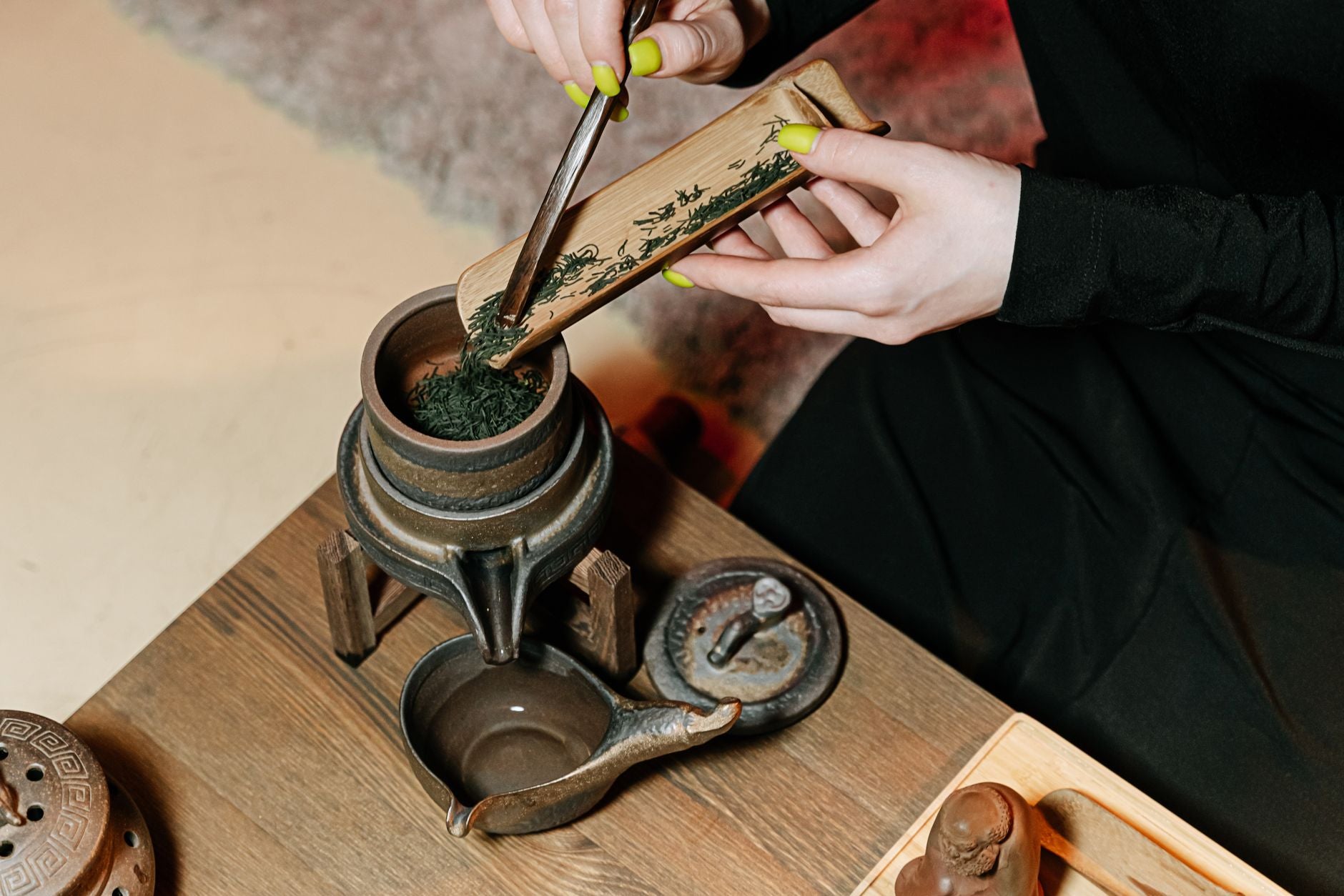
For most healthy adults, moderate matcha is not bad for you. Matcha is finely milled green tea from the Camellia sinensis plant, so the honest cautions are caffeine sensitivity, oxalates, and the trace heavy metals any tea leaf draws from...

Read moreabout Is Matcha Bad for You? An Honest, Lab-Data Answer

Matcha Meaning: What the Word Really Says
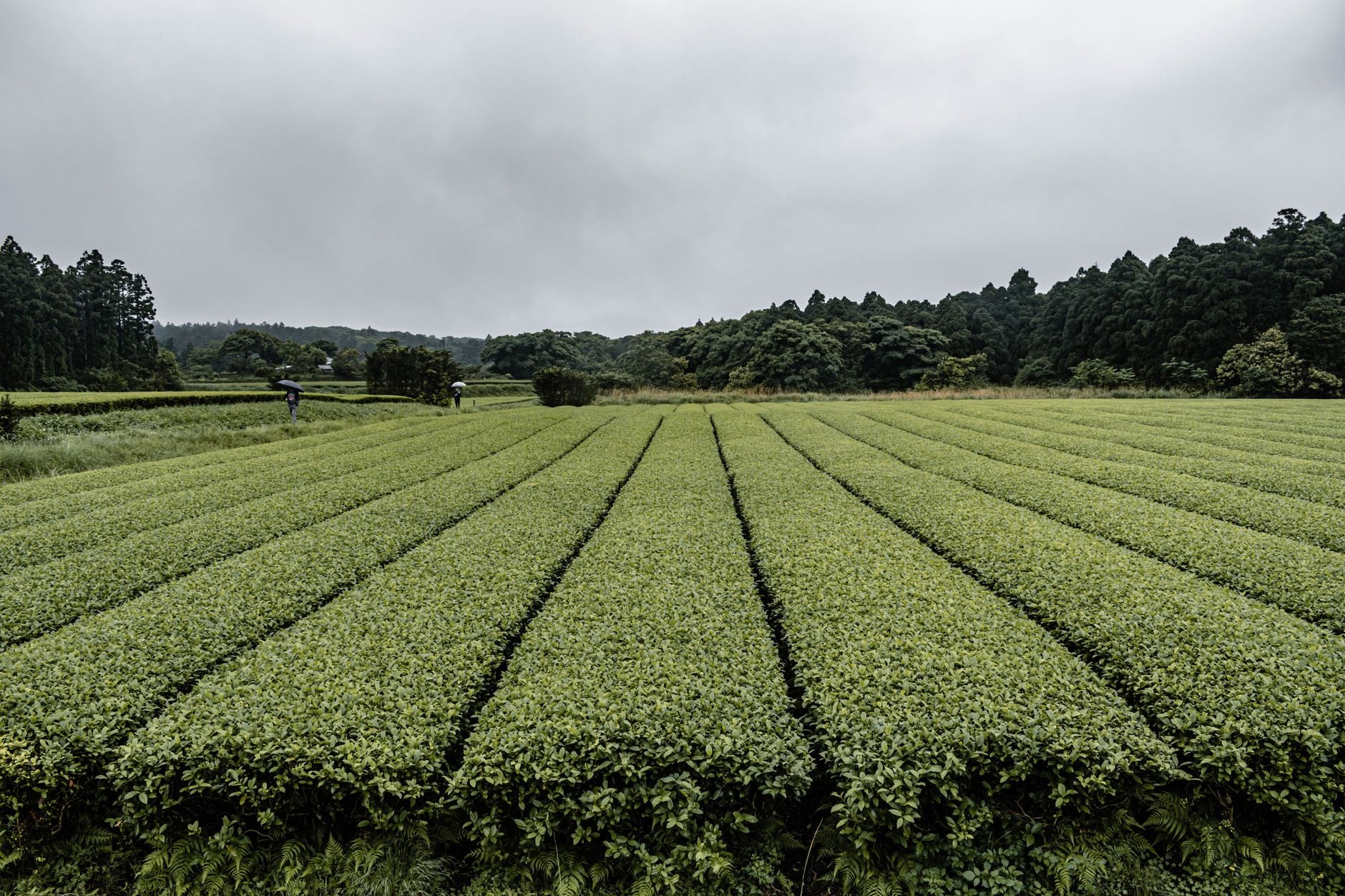
Matcha Meaning: What the Word Really Says

Matcha (抹茢) literally means "ground tea." The word joins two characters: 抹 (matsu), meaning to grind, rub, or crush, and 茢 (cha), meaning tea. So the name is not poetic invention. It describes exactly what matcha is, a green tea...

Read moreabout Matcha Meaning: What the Word Really Says

Why matcha energy feels steady, not spiky
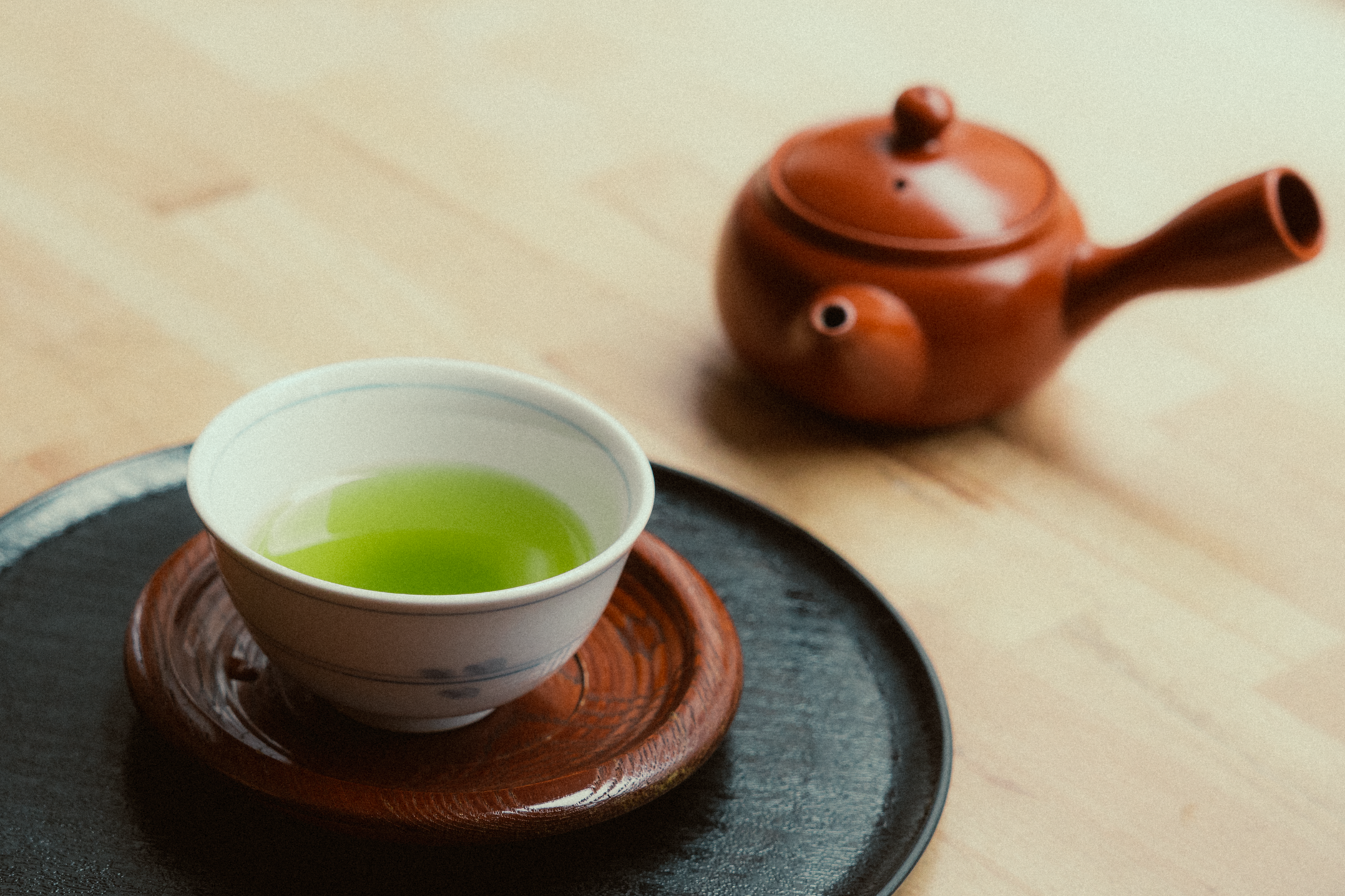
Why matcha energy feels steady, not spiky

Matcha tea gives steady, calm energy because the caffeine in the whole leaf is buffered by an amino acid called L-theanine, so it releases more gradually than the caffeine in coffee. Matcha is made from stone-ground Camellia sinensis leaves, and...

Read moreabout Why matcha energy feels steady, not spiky

Types of Japanese Tea: The Main Green Teas Explained

Types of Japanese Tea: The Main Green Teas Explained

Japanese teas are green teas made from the leaves of a single plant, Camellia sinensis, then steamed instead of pan-fired so they keep their fresh green color and savory flavor. The main types are sencha, gyokuro, matcha, bancha, kukicha, and...

Read moreabout Types of Japanese Tea: The Main Green Teas Explained