



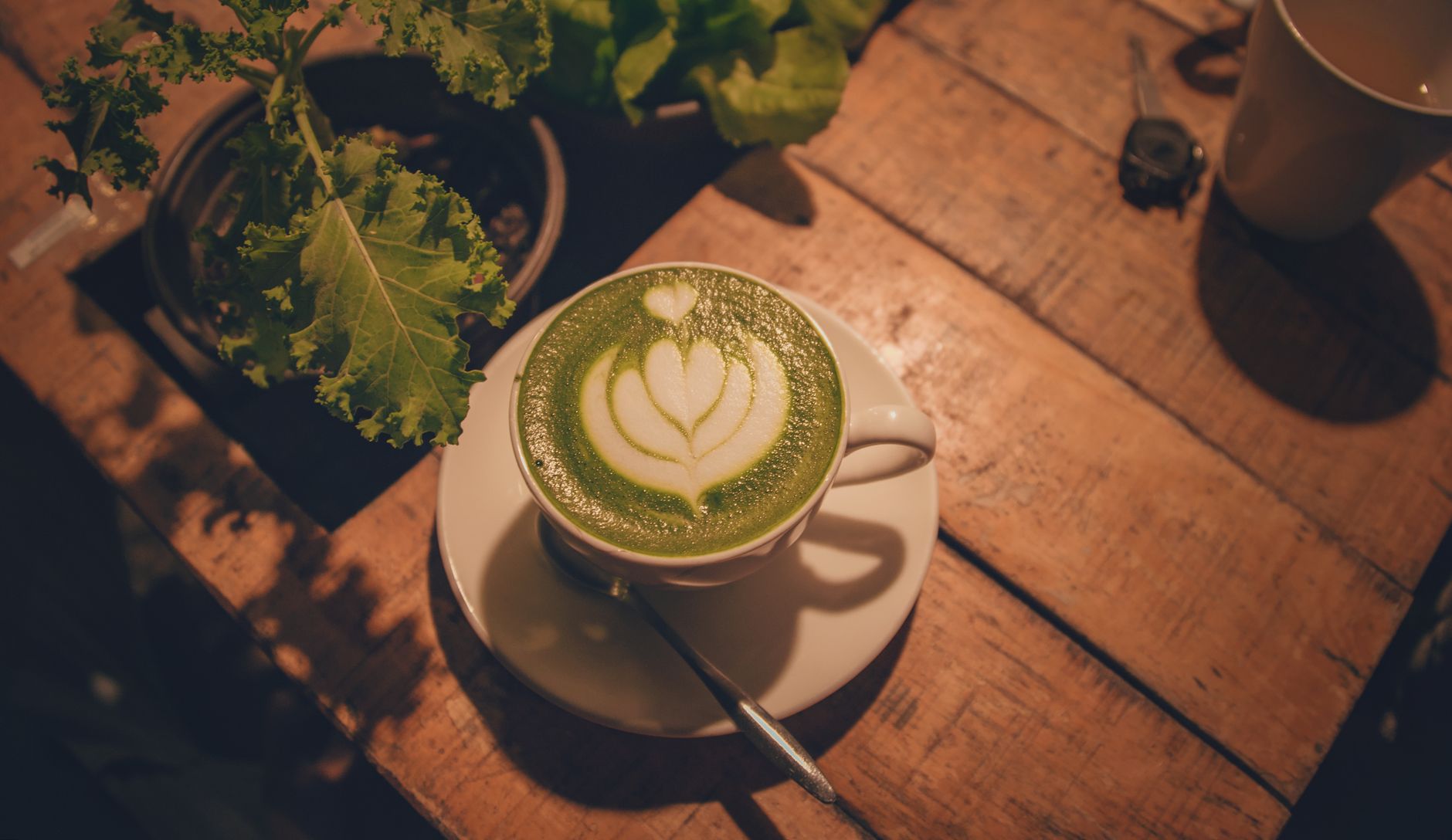
Does matcha stain teeth? Matcha can leave light residue over time, but it stains far less than coffee or black tea because it is pale green and comparatively low in tannins. All true tea comes from the Camellia sinensis plant, and its tannins are the compounds most linked to dental staining. Black tea carries the highest tannin load and the darkest pigment, so it discolors more aggressively than green tea or matcha. With normal daily use and simple habits, matcha rarely leaves the deep stains people associate with coffee or black tea.
Why tea stains teeth at all
Staining starts with tannins, the plant compounds that give tea its slight astringency. Tannins bind to the thin protein film on your enamel, called the pellicle. Once they attach, they attract chromogens, the pigmented molecules that create visible discoloration over time.
According to Stillwater Dental Associates, tannins "can bind to the surface of teeth, leading to discoloration over time," working alongside chromogens to form stubborn surface stains. The more tannins and pigment a drink carries, the more staining potential it holds.
This is why the color of the drink matters. Coffee and black tea are dark and tannin-rich. Matcha is a pale, vivid green with a lighter pigment and a gentler tannin profile, so the residue it leaves is subtler and slower to build.
Matcha vs coffee vs black tea: a staining comparison
Here is how the common daily drinks compare on staining potential, based on tannin load and pigment.
| Drink | Tannin level | Pigment | Relative staining potential |
|---|---|---|---|
| Black tea | High | Dark brown | Highest, can exceed coffee |
| Coffee | Moderate to high | Dark brown | High |
| Green tea (brewed) | Moderate | Pale green | Lower, lighter residue |
| Matcha | Comparatively low | Pale green | Low, subtle over time |
Dr. S. Katz notes that green tea "can stain your teeth, though it is less likely to do so than black tea," and leaves a lighter, more yellowish mark than coffee's darker brown. Stillwater Dental Associates goes further, reporting that black tea's high tannin level can make it "worse than coffee when it comes to staining your teeth." Matcha sits at the gentle end of that spectrum.
The honest caveat: matcha is whole leaf
We want to be straight with you. Matcha is different from brewed green tea in one way that matters here. You whisk and drink the whole ground leaf, not a steeped infusion you strain away. That means each cup carries more of the leaf's compounds than a light steep of loose leaf would.
So while matcha's pigment is pale and its tannin level is comparatively low, heavy daily use can still leave a faint film over months, the same way any tea can. The takeaway is balance, not fear. A cup or two a day, with the simple habits below, keeps residue minimal for most people.
Matcha also carries catechins, the antioxidant compounds that give green tea much of its character. These are part of why matcha's staining behaves gently compared to darker, more oxidized teas. For more on what is actually in your cup, see our guide to whether matcha is caffeinated.
Does drinking green tea stain teeth over time?
Green tea can leave a light stain with heavy, long-term daily use, but it discolors far less than black tea or coffee. Because green tea's pigment is pale rather than dark brown, any residue tends to be subtle and slow to appear. Good daily habits and regular dental cleanings keep it in check.
Will green tea discolor your teeth after a single cup? No. Staining from any tea is cumulative. It reflects months and years of exposure, not one morning ritual. The people most likely to notice a change are those drinking several dark cups a day with little rinsing between them.
How to enjoy matcha with less staining
You do not have to choose between your matcha ritual and a bright smile. These dentist-supported habits reduce contact and residue.
- Rinse with water after your cup. A quick swish helps wash away tannins before they settle, per Dr. S. Katz.
- Drink it in one sitting, not sipped all morning. Slow sipping keeps tannins in contact with enamel for hours. A focused ritual limits exposure.
- Wait about 30 minutes before brushing. Stillwater Dental Associates advises waiting so enamel can reharden after any acidic drink, which prevents brushing stains in.
- Use a straw for iced matcha. A straw minimizes contact between the drink and the front of your teeth.
- Keep up regular cleanings. Professional cleanings lift surface residue before it becomes noticeable.
Quality matters here too. A clean, vivid, USDA-organic ceremonial matcha is a bright jade green, not a dull olive. Cleaner leaf means a purer cup. See how we think about grade and color in our guide to the best organic matcha powder.
What the color of your matcha tells you
The shade of the powder is a useful signal. A dull, yellow-brown or olive matcha usually points to older leaf, lower grade, or oxidation, and darker pigment means more staining potential. A bright, living jade green points to fresh, shade-grown leaf that was ground and sealed with care.
Cleaner leaf gives you a purer cup in every sense. It is why we film our named producers in Japan and publish third-party lab data on lead and cadmium for our matcha. When what goes into the cup is clean and vivid, the pigment on your enamel stays lighter and the ritual stays gentle.
Is matcha acidic enough to harm enamel?
Staining and enamel wear are two separate questions. The pigment discussion above is about surface color. Enamel wear is about acidity, and it is the reason dentists suggest waiting before you brush.
Stillwater Dental Associates recommends waiting about 30 minutes to an hour after an acidic drink before brushing, so enamel can reharden first. Brushing too soon can scrub softened enamel and, ironically, work stains deeper. A plain water rinse right after your cup helps neutralize acidity in the meantime. These two small habits protect both the color and the strength of your teeth.
How matcha compares to your morning coffee
If you are switching from coffee partly to protect your smile, the pale pigment of matcha works in your favor. Coffee's dark chromogens are a well-known source of yellow-brown staining, while matcha's green pigment is lighter and gentler on enamel. We walk through the full trade, including calm energy and ritual, in matcha vs coffee.
Frequently asked questions
Does matcha stain teeth more than regular green tea?
Matcha can carry slightly more of the leaf's compounds per cup because you drink the whole ground leaf rather than a strained steep. Even so, its pale pigment and comparatively low tannins keep staining gentle. The difference is minor for typical daily use.
Will green tea stain teeth if I drink it every day?
Daily green tea can leave a light residue over months, but far less than black tea or coffee. Rinsing with water afterward and keeping regular cleanings keeps any staining minimal and easy to manage.
Does green tea discolor teeth differently than coffee?
Yes. Coffee produces darker brown discoloration from its dark pigment, while green tea leaves a lighter, more subtle residue. Green tea's pale color is why its staining is easier to prevent and less noticeable.
Can I whiten teeth that already have tea residue?
Surface residue from tea usually responds to professional dental cleanings. Talk to your dentist about the safest whitening approach for you, since needs vary from person to person.
Does adding milk to matcha reduce staining?
Milk can bind to some tannins, which is one reason lattes may leave a lighter mark than a straight cup for some people. The bigger levers are rinsing, timing your brushing, and consistent dental care.
The bottom line
Matcha stains teeth far less than coffee or black tea. Its pale green color and comparatively low tannins mean the residue is subtle, and heavy daily use is the only real risk. Rinse after your cup, wait before brushing, and keep your cleanings, and your matcha ritual and your smile can live happily together.
Sources
- Stillwater Dental Associates, "Coffee or Tea: Which One Stains Your Teeth More?" (accessed 2026). https://stillwaterdentalassociates.com/coffee-or-tea-which-one-stains-your-teeth-more/
- Dr. S. Katz, "Does Drinking Green Tea Stain Your Teeth?" (accessed 2026). https://www.drkatz.ca/does-drinking-green-tea-stain-your-teeth/
Share:
Is Matcha Better Than Coffee? An Honest Comparison
Does Matcha Have L-Theanine? How Much Is in a Bowl