


Last updated: August 28, 2026
Cold coffee, matcha, and refreshers have become the biggest sales drivers in cafés and quick-service chains this year, but the cafés that hold onto those customers are the ones building signature drinks the chains can't copy. That was the core message in Perfect Daily Grind's June 2026 report, and from where I sit on the sourcing side, it points to a real opening for independents. The catch is simple. A signature matcha drink is only as good as the matcha behind it.
- Cold drinks, matcha, and refreshers are now major sales drivers across chains and QSRs (Perfect Daily Grind, 2026).
- One chain reported a 227% year-over-year jump in iced beverage sales after adding matcha lattes and lemonades.
- Japan's green tea exports rose 42% in FY2025 to 13,125 tons, roughly 70% matcha-led, with value nearly doubling to ¥84.7 billion (MAFF, via The Japan Times, 2026).
- Independents win with signature drinks built on verifiable sourcing, not menu gimmicks copied from the chains.
What the cold drink boom actually means for cafés
In 2026, cold beverages, matcha, and customizable refreshers are the categories pulling the most growth across the café and quick-service world, according to Perfect Daily Grind's June report. Younger drinkers, Gen Z and Gen Alpha especially, treat a drink as a form of self-expression. The color, the texture, the way it photographs all matter as much as the taste.
You can see it in the menu moves. One major chain reported a 227% year-over-year increase in iced beverage sales in May 2025 after adding matcha lattes and lemonades. Another expanded to more than 31,000 global stores on the back of cold, fruit-forward drinks. A large coffee chain rolled out customizable Energy Refreshers in April 2026 as part of a $2 billion beverage platform.
According to Perfect Daily Grind's 2026 reporting, the cold drink surge is being driven by playfulness, customization, and social shareability, with East and Southeast Asian flavor trends moving quickly into Western menus. Matcha sits right at the center of that wave, which is exactly why every chain is now chasing it.
Why copying the chains is a trap
When a category gets this hot, the instinct is to add the same drink everyone else has. That's the trap. If your matcha latte tastes like the one at the chain down the street, you've handed the customer a reason to pick whoever is cheaper or closer. The chains will always win on price and speed.
Perfect Daily Grind makes the point that independents have one advantage the big players don't: they can move fast. A small café can test a new drink in a weekend, run a limited-time offer without a giant inventory commitment, and build a menu that feels like a place rather than a template. That speed is worth nothing, though, if the drink underneath it is interchangeable.
Gemma Kiernan of Marco Beverage Systems framed the limit well in the same report. "The real winners won't be those who enable [customisation] at the expense of efficiency, speed, and quality." In other words, novelty alone burns out. A signature drink has to be repeatable, fast to make, and genuinely good every single time. Quality is the part most operators underestimate, and quality starts with what's in the tin.
The supply-side reality behind every matcha menu
Here is the tension nobody putting matcha on a menu can ignore. Demand is exploding at the same moment supply is genuinely tight. Japan's green tea exports rose 42% in fiscal year 2025 to 13,125 tons, with powdered green tea, the matcha-led category, making up roughly 70% of that volume. Export value nearly doubled to ¥84.7 billion, according to MAFF data reported by The Japan Times in May 2026.
Those record numbers hide a squeeze. Tencha, the shaded leaf that becomes matcha, saw prices climb sharply through 2025, with some reports citing increases as steep as 120%. A tea bush takes years to reach full production, and shade structures take time and money to build, so supply simply cannot turn on a dime to meet demand. Structural undersupply on the ceremonial side persists even while exports hit records.
For a café, that means two things at once. Matcha is the drink customers want, and good matcha is getting harder and more expensive to secure. The operators who plan for that, rather than scrambling when their supplier runs dry, are the ones who keep their signature drink on the menu all year. We break the numbers down further in our guide to Japanese matcha wholesale pricing in 2026.
A note from the sourcing floor
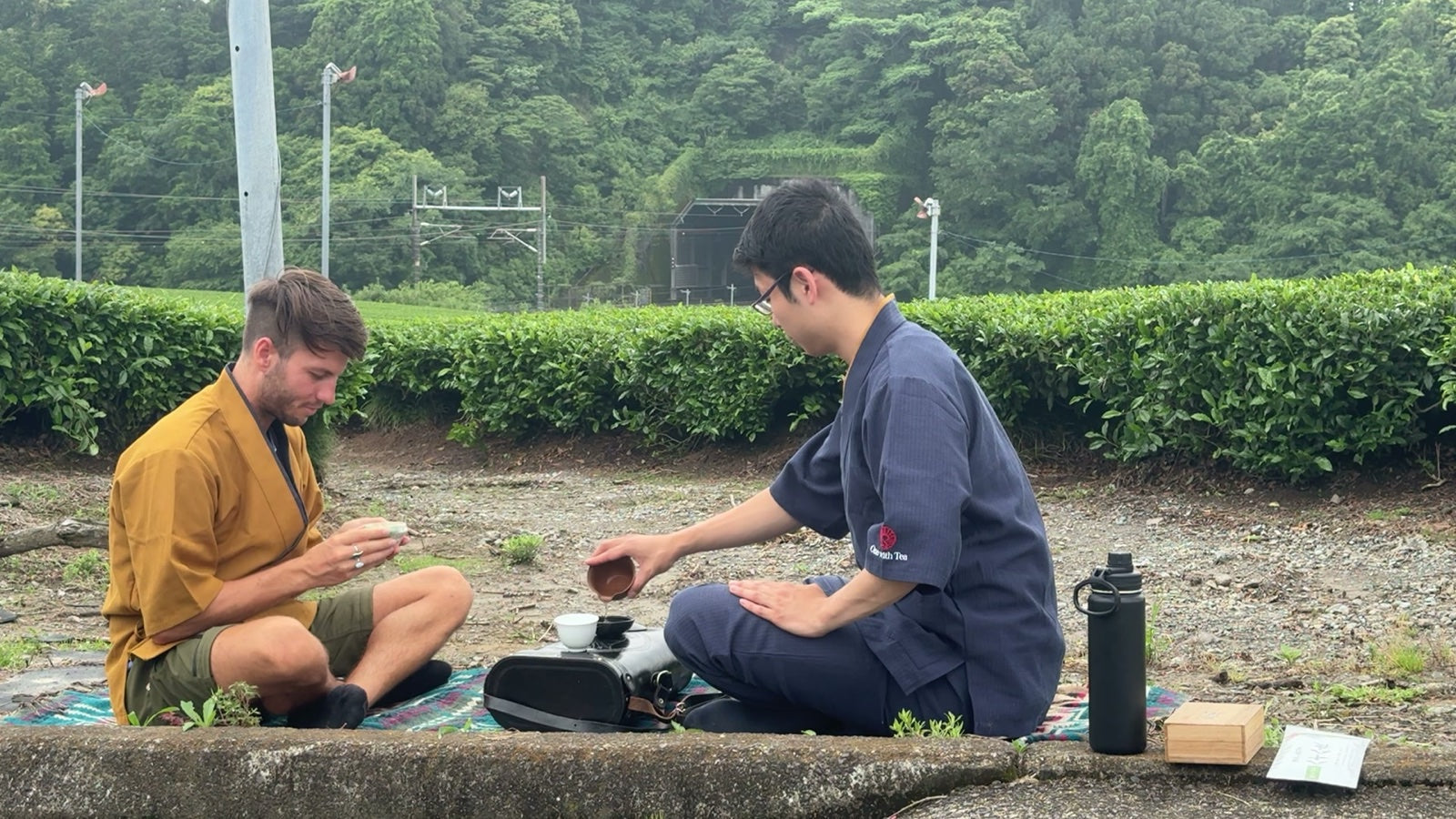
I source our matcha directly from farms in Japan, and I've watched this shift happen in real time. Two years ago, securing ceremonial-grade tencha was a matter of placing the order. Now it's a conversation about harvest timing, allocation, and trust built over multiple seasons. The growers I work with are turning new buyers away because they simply don't have the leaf.
What that taught me is that authenticity isn't a marketing word in this market, it's a supply chain fact. When prices rise this fast, the temptation across the industry is to cut culinary-grade powder with cheaper material, or to relabel origin. A café that builds its signature drink on a verified, traceable supply is protecting both its flavor and its reputation. The drink your customers fall in love with has to taste the same in December as it did in June.
How independent cafés build a signature matcha drink that lasts
A signature drink that survives the hype cycle rests on three things: a recipe nobody else has, a supply you can count on, and a story your staff can tell. The flavor work is the fun part, and it's also where most cafés stop. The sourcing and the story are what turn a trend into a regular order.
Start with the matcha itself. A vibrant, fresh spring-green powder with a smooth, savory finish behaves differently in milk and over ice than a dull, bitter culinary grade. Build the drink around a grade you can actually keep in stock, then design the signature element around it: a house syrup, a seasonal fruit, a specific milk, a presentation that only you do. For a deeper walk through grades and recipes, see our 2026 sourcing guide to premium matcha for cafés and lattes.
Then lock the supply. The cafés getting squeezed right now are the ones who treated matcha as a commodity they could reorder anytime. A direct relationship with a grower or a founder-led supplier gives you allocation and price visibility that an open marketplace never will. Our breakdown of matcha supply security for US cafés in 2026 covers how to structure that.
Finally, train the story. When a barista can say where the matcha comes from, why it tastes the way it does, and what makes your version different, the drink stops being a commodity. That's the part the chains can't scale, and it's the whole point of being independent.
What to do before the next trend cycle
The cold drink wave isn't slowing, and matcha is riding the front of it. The question for any café isn't whether to put matcha on the menu, it's whether the matcha behind the drink can carry the weight of a signature offer. Cheap, anonymous powder gets you into the trend. Verified, traceable, genuinely good matcha is what keeps customers coming back after the trend cools.
My advice is plain. Pick a grade you can defend, secure the supply before your competitors do, and build one drink that's unmistakably yours. The chains will keep launching refreshers. Your edge is the thing they can't copy, which is a real drink, from a real source, with a real story. For options sized to a café menu, our 2026 guide to the best matcha for cafés and restaurants is a good place to start.
Build your signature drink on matcha you can trust
We source organic ceremonial matcha directly from Japanese farms, with the traceability and consistency a café menu needs.
If your signature drink is a matcha milk tea, my page on matcha for milk tea and boba shops covers Latte Grade (Organic), which is 100% organic matcha and not a sweetened premix, so your shop sets the sugar and the milk. If lattes and whisked drinks lead your menu instead, I also put together a page for latte-first cafes.
Frequently Asked Questions
Why are cold coffee and matcha drinks driving so much café growth in 2026?
Cold beverages, matcha, and customizable refreshers are the fastest-growing café categories in 2026 because younger drinkers treat them as identity and aesthetic expression (Perfect Daily Grind, 2026). Playfulness, customization, and shareability are the main pull, with matcha sitting at the center of the trend.
Is there really a matcha shortage affecting cafés?
Yes. Japan's green tea exports rose 42% in FY2025 to 13,125 tons, roughly 70% matcha-led, yet ceremonial supply stays tight (MAFF, via The Japan Times, 2026). Tencha prices rose sharply in 2025, with some reports citing up to 120%, because shade-grown leaf cannot scale quickly to meet demand.
How can an independent café compete with chain matcha drinks?
Independents move faster than chains and can test signature, limited-time drinks without large inventory commitments (Perfect Daily Grind, 2026). The durable edge is a verifiable, traceable matcha supply plus a recipe and story the chains can't replicate, not simply matching their menu.
What should a café look for when sourcing matcha for signature drinks?
Look for a vibrant, fresh spring-green color, a smooth savory finish, traceable origin, and a supplier who can guarantee allocation through the year. Consistency matters most for a signature drink, since the recipe customers return for has to taste identical every season.
Sources: Perfect Daily Grind, "Cold coffee is driving sales, but cafés need to create unique, signature drinks," June 2026; The Japan Times, "Japan's green tea exports surged in fiscal 2025 amid matcha boom," May 1, 2026 (citing Japan's Ministry of Agriculture, Forestry and Fisheries / MAFF export data). Retrieved 2026-06-19.
May you become one with tea, one with yourself.
Christian
Founder, One with Tea
Share:
What Is a Chawan? The Japanese Matcha Bowl Explained
Asahi and Ujihikari: Uji's Competition Matcha Cultivars