



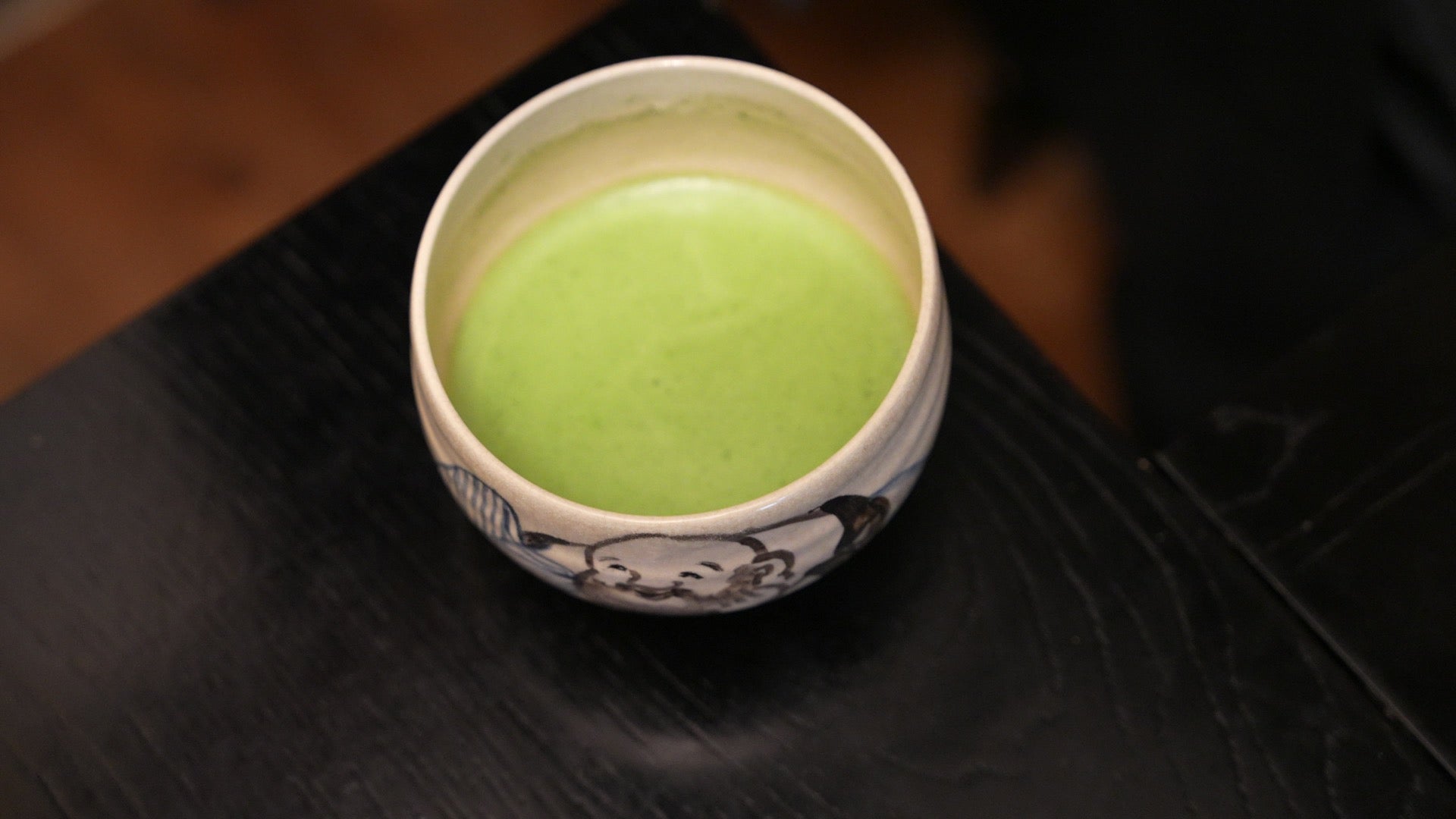
If you're looking for the best matcha to help with weight loss, reach for a high-quality, ceremonial grade organic matcha. Ceremonial grade carries somewhat more EGCG per gram than culinary grade (56.6 vs 50.5 mg, Meyer 2023), so a 2 g bowl gives about 113 mg of EGCG and 50-70 mg of caffeine. Trials show a modest effect on fat burning and body weight, and it works alongside diet and exercise, not instead of them.
By Christian Mauerer, founder of One with Tea. Updated September 21, 2026 with a matcha vs green tea comparison, a safe daily amount, and corrected study figures.
Key Takeaways
- Matcha's studied effect is modest: about 35% more fat burned during a 30-minute walk after 3 weeks at 3 g a day (Willems 2021, n=12).
- Pooled green tea trials show a small weight effect, about 1.3 kg on average; no trial has compared matcha and green tea head to head.
- Per gram, matcha and good green tea carry similar EGCG; matcha's edge is a predictable dose, about 113 mg per 2 g bowl (Meyer 2023).
- Safe range: 1-2 bowls a day stays far below the 800 mg/day EGCG supplement level linked to liver-enzyme rises, and skip extract pills.
How Can Matcha Support Weight Loss?
Think of your metabolism like a campfire. To get it burning brighter and hotter, you need the right kind of kindling, something that encourages it to burn through fuel more efficiently. That's exactly what high-quality matcha does. It acts as a premium catalyst, giving your body's natural energy a gentle, mindful lift.
This isn't just about sipping a pretty green drink. It's about tapping into a powerful synergy between two key players found naturally in matcha: Epigallocatechin gallate (EGCG) and caffeine.
The Power Duo: EGCG and Caffeine
On their own, caffeine gives you that familiar jolt of energy, and EGCG is a potent antioxidant. But when they team up, as they do inside a bowl of matcha, their impact on weight management becomes something much greater.
It’s like having a two-person crew working on your metabolism. Caffeine acts as the starter, firing up your nervous system and getting your heart rate up. This initial push gets your metabolic engine revving.
Then, EGCG jumps in as the efficiency expert. It specifically promotes thermogenesis, which is the fancy term for your body producing heat by burning calories. So, instead of your metabolic fire just smoldering at its usual rate, EGCG and caffeine encourage it to burn hotter and faster, though the measured effect is small.
Targeting Fat for Fuel
One of the most impressive ways matcha supports weight management is by encouraging fat oxidation. This is your body's process for breaking down stored fat and using it for energy, rather than just grabbing easy-to-burn carbohydrates.
This effect really kicks into high gear when you combine matcha with exercise. Green tea catechins, especially EGCG, have been studied for a role in metabolism: in a small respiratory-chamber crossover, a green tea extract (270 mg EGCG + 150 mg caffeine) modestly raised 24-hour energy expenditure beyond caffeine alone (Dulloo 1999). The honest caveat: pooled trials put the effect of catechins taken with caffeine at 0.44 to 1.38 kg, depending on the comparison, which the authors called "modest at best" (Phung 2010). Matcha itself has been tested directly, in small trials. In a 2021 crossover, 12 women who took 3 grams of matcha a day for three weeks burned about 35% more fat during a 30-minute brisk walk than on placebo, although total calories burned did not change (Willems 2021).
By encouraging your body to tap into its fat reserves during exercise, pairing matcha with exercise has the most direct evidence. In a placebo-controlled crossover, 12 men who took green tea extract (366 mg EGCG over the 24 hours before) oxidized about 17% more fat during 30 minutes of moderate cycling than on placebo (Venables 2008, n=12). It's a modest, short-term effect, not a shortcut, but a measurable one.
Beyond Burning Calories
But matcha’s role in weight loss doesn’t stop at just revving your metabolism. The unique presence of L-Theanine, an amino acid, works in harmony with caffeine to create a state of calm, focused energy. That steadiness can make it easier to avoid the stress-related cravings and mindless snacking that can so easily derail a weight loss plan.
If you're curious about the full picture, it’s worth exploring the complete matcha nutrition facts to see how it supports overall wellness. This combination of enhanced fat oxidation, a higher metabolic rate, and better mental clarity makes the best matcha for weight loss a truly well-rounded tool in your health toolkit.
Which Matcha Grade Is Best for Weight Loss?
Walking down the tea aisle can feel a bit overwhelming. You’ll see countless green powders, all labeled "matcha," but here’s the thing: they aren't all created equal. If you’re serious about using matcha for its weight management benefits, choosing the right one is everything.
Think of it like fueling a high-performance car. You wouldn't put low-grade gasoline in and expect peak performance, right? It would just clog the engine. The same principle applies here. To get a matcha powder that actually helps with weight loss, you need to know what separates the potent, effective stuff from the dull, weak alternatives. The biggest factor? The grade.
Ceremonial Grade: The Peak of Potency
At the very top of the quality pyramid sits ceremonial grade matcha. This is the best you can get, the same quality traditionally reserved for Japanese tea ceremonies. What makes it so special is how it’s grown and harvested.

From our tea room
Organic Ceremonial Matcha Powder - USDA Certified (30g)
Stone-milled ceremonial grade, USDA Organic, third-party lab tested.
View Ceremonial MatchaFarmers use only the youngest, most tender leaves from the year's very first harvest. These leaves are shade-grown for several weeks, a crucial step that dramatically boosts their chlorophyll and L-Theanine content. This meticulous process gives ceremonial grade its signature vibrant green color and a complex, rich umami flavor with very little bitterness.
Most importantly for your goals, this grade tends to carry more EGCG and L-Theanine per gram than culinary grade. These are the powerhouse compounds that are central to matcha's flavor and its signature calm, focused energy. When you drink matcha, you're consuming the entire leaf, so choosing a pure, certified organic ceremonial grade like One with Tea’s ensures you get a full, clean dose without any pesticides or junk fillers.
This infographic breaks down exactly how a quality matcha helps you on your weight loss journey.

As you can see, a high-quality matcha works on three fronts: it helps elevate your metabolism, enhances fat burn, and provides clean, sustained energy to power you through your day.
Culinary Grade: Understanding Its Role
Next up is culinary grade matcha, which you might also see labeled as cooking grade. This matcha comes from leaves harvested later in the season. Because these older leaves get more sunlight, the powder ends up with a duller, sometimes yellowish-green color and a much more bitter or astringent taste.
While culinary grade is fine for adding some color and a hint of matcha flavor to things like lattes, smoothies, and cookies, it’s not what you want for weight loss. Its nutritional profile just isn't as potent. Its EGCG per gram tends to be somewhat lower (50.5 vs 56.6 mg for ceremonial in one 2023 analysis), and the flavor is harsher to drink straight.
To really see the difference, it helps to compare the two grades side-by-side.
Ceremonial vs Culinary Matcha What You Need to Know
| Attribute | Ceremonial Grade Matcha | Culinary Grade Matcha |
|---|---|---|
| Harvest Time | First harvest (youngest leaves) | Second or third harvest (older leaves) |
| Color | Vibrant, electric green | Dull, yellowish-green |
| Flavor Profile | Rich, smooth, umami, slightly sweet | Bitter, astringent, and grassy |
| Nutrient Content | Highest in EGCG and L-Theanine | Somewhat lower EGCG per gram |
| Best For | Drinking straight (with water) for health benefits | Lattes, smoothies, baking, and cooking |
Simply put, if your goal is weight management, using culinary grade is like trying to fill a swimming pool with a garden hose, you’ll be waiting a long, long time to see results, if you see them at all. Choosing ceremonial grade is like turning on the fire hydrant.
Critical Quality Markers to Look For
Beyond just the grade, a few other clues on the packaging can tell you if you're holding a superior powder. When you're shopping, look for these three non-negotiables:
- Color: Your matcha should be a strikingly vibrant, almost electric green. A dull, swampy, or yellowish hue is a major red flag. It means the powder is either old, low-quality, or has oxidized and lost its potency.
- Origin: The best matcha in the world comes from Japan. Look for regions like Uji, Kagoshima, and Shizuoka, which are famous for producing top-tier tea. The package should clearly state "Product of Japan."
- Processing: Real, high-quality matcha is traditionally stone-ground into an ultra-fine powder. This slow, careful method keeps heat from damaging the delicate leaves, preserving their nutrients and flavor. Mass-produced powders often use air pulverization, which generates heat and degrades the final product.
Once you know how to spot these quality markers, you can confidently pick a matcha that will actively support your health goals. You'll be ensuring every sip is not just enjoyable, but truly effective.
The Science-Backed Benefits for Weight Management
We all know high-quality matcha is packed with compounds that can support your metabolism, but it's only fair to ask for the proof. The buzz around the best matcha powder for weight loss isn't just talk; it's rooted in some pretty compelling science from human studies. These trials show us how the theory plays out in the real world.
Time and again, researchers have seen that drinking matcha regularly leads to real, measurable changes in body composition. This isn't a quick fix. It's about giving your body a powerful tool to work more efficiently. In several trials, participants have shown modest drops in Body Mass Index (BMI), body fat and waist size, though pooled reviews rate the effect as small (see the comparison below).
Impact on Metabolic Health Markers
Maybe the most important benefit is how matcha can improve your core metabolic health. One of the biggest roadblocks to keeping weight off for good is insulin resistance. This is a state where your body's cells start ignoring insulin, making it tough to manage blood sugar and leading to more fat storage.
Green tea compounds have been studied here too. In a separate arm of one study, 11 healthy young men who took green tea extract showed about 13% higher insulin sensitivity during a glucose test (Venables 2008). That was an extract, not matcha, and evidence across studies is mixed; matcha is not medical care for any condition. Individual response varies, and it's worth checking with your doctor before changing your routine if you manage a health condition.
This improved sensitivity matters for sustainable weight control. It helps sidestep the nasty blood sugar spikes and crashes that send you running for high-sugar junk food. By keeping your blood sugar stable and improving how your body uses energy, matcha helps create a metabolic setting that's far more friendly to weight loss.
A 2022 pilot study looked at matcha alongside a low-calorie diet. Over 12 weeks, 40 adults carrying excess weight followed the diet alone or the diet plus daily matcha (34 finished). Both groups lost weight, BMI and waist, and the two groups did not differ significantly on those measures.
Where the groups did differ was insulin: fasting insulin fell 16.5% in the matcha group and rose 25.9% in the diet-only group, a significant difference in percentage change (p = 0.024). The study was small, non-randomized and open-label, so read it as a signal worth a proper trial, not proof. You can read the full study.
From Clinical Trials to Your Daily Routine
So, what do all these scientific findings really mean for you? They show that adding a top-tier matcha powder to your daily life offers more than just a quick metabolic boost. It actively works on the deeper systems that control long-term weight management and your overall health.
Here’s how the science translates into real-life benefits:
- More Fat Burned During Exercise: The clearest matcha data is fat oxidation during brisk walking (Willems 2021), so pairing a bowl with movement makes the most sense.
- Waist Size: Waist circumference is one of the markers trials track; pooled green tea data show only small changes, so think of it as a slow, diet-led measure.
- Stable Energy and Fewer Cravings: By improving how your body uses insulin, matcha helps you avoid those energy slumps, making it much easier to stick to your healthy eating goals.
The evidence points one way, gently: the right matcha can be a useful partner for your weight management journey. It’s not just about burning a handful of extra calories; it’s about fundamentally improving your metabolic health from the inside out. Understanding the complete picture of its advantages, which we cover in our guide on the benefits of drinking matcha, can really cement its place in your wellness routine. By picking a potent, ceremonial grade option, you're making sure you get the concentration of compounds needed to see these science-backed results.
Matcha vs Green Tea for Weight Loss: Which Is Better?
Short answer: no trial has compared matcha and brewed green tea head to head for weight loss, so neither has been shown to beat the other. What exists is two separate bodies of evidence, and both point the same modest way: a small nudge to fat burning and body weight, strongest alongside diet and exercise.
| Matcha | Brewed green tea (and extracts) | |
|---|---|---|
| What you drink | The whole stone-ground leaf | A water infusion; most trials used concentrated extracts |
| EGCG per serving | About 113 mg per 2 g bowl of ceremonial grade (Meyer 2023) | 70.2 mg per 100 g of infusion on average, but anywhere from 2.3 to 203 mg (EFSA 2018) |
| Best human evidence | Small trials: about 35% more fat burned during a 30-minute walk after 3 weeks at 3 g a day (Willems 2021, n=12); higher fat oxidation during brisk walking (Willems 2018, n=13); no body-weight difference versus diet alone over 12 weeks (El-Elimat 2022, n=34) | Meta-analyses: catechins lowered body weight by 1.31 kg on average across 11 studies (Hursel 2009); Cochrane found a small, statistically non-significant loss, "not likely to be clinically important" (Jurgens 2012) |
| Where it wins | A known, repeatable dose of EGCG and caffeine in one bowl | Cost: bagged teas were the cheapest products in Meyer's study, with similar EGCG per gram (Meyer 2023) |
Our honest take: pick matcha if you enjoy it and want a consistent dose you can count, pick brewed green tea if price matters most. Per gram of leaf the EGCG is close (56.57 mg for ceremonial matcha against a 46.14 mg average for bagged and gunpowder teas), and neither drink does the heavy lifting on its own. Food and movement are the big levers. The tea is the small one you actually look forward to.
How to Choose a High-Quality Ceremonial Matcha

Alright, you get it now, the science is solid on how ceremonial grade matcha can support a healthy weight. But what happens when you start shopping? You’ll quickly find not all matcha powders are created equal, even if they have "ceremonial" on the label.
Think of it like picking out the perfect avocado. You don’t just grab the first one you see. You know to look for specific signs, a rich color, a certain feel, and an unblemished peel. Choosing a top-tier matcha for your wellness journey requires that same discerning eye. To get the results you're after, you need a powder that’s pure, potent, and packed with all the good stuff.
The Origin Story Matters
First things first: where does it come from? This is a non-negotiable. Authentic, high-quality matcha has one home: Japan. This is the birthplace of matcha, and specific regions there have spent centuries honing the craft of its cultivation.
When you're looking at a package, keep an eye out for these key regions:
- Uji: Right next to Kyoto, Uji is the most historic and revered matcha-producing area. It's famous for its deep umami flavors and truly exceptional quality.
- Kagoshima: Down in southern Japan, this region is known for its rich volcanic soil and perfect growing conditions, which often yield incredibly vibrant organic matcha.
A label that proudly says "Product of Japan" and names one of these prefectures is the first sign you're on the right track. It’s more than just a place on a map; it's a mark of tradition, strict quality control, and a far superior taste.
Judge a Matcha by Its Color
Next, use your eyes. The best, most potent matcha powders have a vibrant, almost electric jade-green color. This brilliant hue isn't just for show, it's a direct result of the painstaking shade-growing process that forces the tea leaves to pump out extra chlorophyll.
A vivid green color is a visual sign of freshness and a high concentration of both chlorophyll and L-theanine. If you open a tin and see a dull, swampy, or yellowish powder, that's a major red flag. It likely means the tea is old, oxidized, or made from lower-grade leaves.
This rich color directly impacts the results you'll feel. More chlorophyll gives matcha its vivid green color and fresh, grassy character. More L-theanine delivers that unique calm-yet-focused energy that helps you stay mindful and avoid impulse snacking. If you want to go deeper on this, our guide on matcha ceremonial grade has you covered.
Why Certified Organic Is a Must
Finally, and this is crucial, always go for certified organic matcha. Remember, when you drink matcha, you're consuming the entire tea leaf, ground into a fine powder. That means you’re also ingesting anything that was sprayed on those leaves.
Choosing organic ensures your daily ritual is free from nasty pesticides, herbicides, and synthetic fertilizers. But it goes beyond just avoiding chemicals. Organic farming practices tend to create healthier soil and stronger plants, which can lead to a more nutrient-dense final product. For anyone on a weight management path, a clean source of EGCG and L-theanine is essential for getting the most metabolic support without adding any toxic load to your system.
By sticking to these three pillars, Japanese origin, vibrant green color, and organic certification, you can confidently pick out the best matcha powder to support your weight loss goals. One with Tea’s ceremonial organic matcha was created with these principles in mind, offering a pure and potent tool for your wellness journey.
Creating Your Daily Matcha Ritual for Success

Knowing that high-quality matcha can help with weight loss is a great first step. But to see real results, you need to make it a consistent part of your life. The best way to do that is by building a daily ritual you actually enjoy. This isn't about forcing another task into your packed schedule; it's about creating a simple, powerful habit you genuinely look forward to.
The secret? Weave matcha into a routine you already have. Think of it as a simple upgrade to an existing moment in your day, like swapping out your morning coffee or pre-workout drink. When you attach a new habit to an old one, it becomes almost effortless to stick with.
When to Drink Matcha for Optimal Weight Loss
Timing your matcha can seriously boost its effectiveness, especially when weight management is your goal. The powerful compounds in matcha work in sync with your body’s natural cycles, so sipping it at specific times can make all the difference.
Here are a few strategic moments to prepare your daily matcha:
-
Pre-Workout Power-Up: This is probably the most effective time. Drinking matcha 30-45 minutes before exercise helps your body tap into its fat stores for fuel, thanks to the powerful combination of caffeine and EGCG. You'll get a clean, focused energy boost without the jitters, leading to a stronger, more effective workout.
-
Mid-Morning Metabolic Kickstart: Ever feel that slump around 10 or 11 a.m.? Instead of reaching for a sugary snack, a warm bowl of matcha can work wonders. The L-Theanine helps stabilize your energy levels, keeping you sharp and curbing those cravings that can derail your progress.
-
Afternoon Focus Fuel: If you're tempted by a second cup of coffee that might mess with your sleep, try an afternoon matcha instead. It provides a gentle lift that enhances concentration, helping you power through the rest of your workday while giving your metabolism a little nudge.
How Much Matcha Should You Drink
When you're using a top-tier matcha for weight loss, getting the amount right is crucial for seeing benefits without going overboard. The matcha trials on fat burning used 3 grams of matcha powder a day (Willems 2021). That works out to one or two servings a day.
For most people, one to two servings (1-2 teaspoons, or 2-4 grams) per day is the sweet spot. This delivers a potent dose of EGCG and other antioxidants to support your metabolic health while staying well within safe caffeine limits.
Is There a Safe Upper Limit?
For matcha as a drink, the practical ceiling is caffeine, not EGCG. Here are the numbers we work from:
- EGCG: the European Food Safety Authority's 2018 review found that 800 mg or more of EGCG a day, taken as a food supplement, caused a statistically significant rise in liver enzymes, and it could not identify an extract dose it would call safe. Traditionally brewed green tea it judged generally safe at the amounts Europeans already drink, 90 to 300 mg of EGCG a day on average (EFSA 2018). A separate review of 159 human studies proposed 704 mg a day as an observed safe level for tea taken as a beverage (Hu 2018). Two bowls of ceremonial matcha (4 g) come to roughly 200 to 280 mg of EGCG (Meyer 2023).
- Caffeine: ceremonial matcha measured 25 to 35 mg of caffeine per gram, so about 50 to 70 mg per 2 g bowl (Meyer 2023). The FDA cites 400 mg a day as an amount not generally associated with negative effects for most adults (FDA).
- The thing to skip: concentrated green tea extract pills sold for weight loss. That is where the liver-enzyme findings come from, not from tea.
Individual response varies. If you're pregnant, take medication, or manage a health condition, check with your doctor before adding matcha, especially in larger amounts.
I always recommend starting with one serving a day. It’s a great way to see how your body feels. If you feel good and want an extra boost, you can add a second serving, maybe before a workout or to beat that afternoon slump.
Simple and Effective Matcha Recipes
Your matcha ritual should feel like a small pleasure, not a chore. You don’t need fancy, complicated recipes to get all the benefits. Here are two incredibly simple, healthy ways to prepare your matcha that fit perfectly into a weight management plan.
1. The Morning Wellness Shot
This is my go-to for a quick, powerful start to the day or as a pre-workout boost. It’s a concentrated hit of matcha's goodness with zero added calories.
- Ingredients: 1 teaspoon ceremonial grade matcha, 2-3 ounces of warm water (around 175°F or 80°C).
- Instructions: Sift the matcha into a small bowl to get rid of any clumps. Pour in the warm water and whisk vigorously in a "W" or "Z" motion until a beautiful, fine foam forms on top. Drink it right away.
2. The Creamy Matcha Latte
If you prefer something a bit creamier and more substantial, a simple latte can be a deeply satisfying and healthy choice. The key here is to skip the sugar and use an unsweetened milk alternative.
- Ingredients: 1 teaspoon ceremonial grade matcha, 2 ounces warm water, 6 ounces unsweetened almond or oat milk.
- Instructions: First, prepare the matcha shot just like in the recipe above. While you're whisking, gently warm your milk on the stove or in a microwave. Pour the frothed matcha into your favorite mug, and then top it off with the warm milk.
By making one of these simple recipes a non-negotiable part of your day, you’re turning a premium ingredient into a powerful, consistent habit. This daily ritual becomes your anchor, supporting you on your journey toward a healthier, more vibrant you.
The Holistic Wellness Benefits Beyond Weight Loss
While using matcha for weight loss is a great start, focusing only on the number on the scale means you’re missing the bigger picture. The real gift of matcha is how it supports your entire well-being. These other benefits work together, creating a positive cycle that makes managing your weight feel less like a chore and more like a natural outcome.
One of the most incredible things about a good ceremonial grade matcha is the feeling of calm alertness it gives you. This unique state comes from the teamwork between caffeine and a rare amino acid called L-Theanine.
Think of the caffeine in coffee like a race car engine, it’s powerful and fast, but it can also lead to a jittery ride and a sudden crash. L-Theanine acts like an expert driver, smoothing out the whole experience. It takes the edge off the caffeine, giving you a steady, clean flow of energy and mental focus. That steadiness makes better choices easier, helping you listen to your body’s actual hunger signals instead of caving to stress-eating.
Everyday Antioxidant Support
Beyond just focus, matcha is naturally rich in antioxidants, because you drink the whole stone-ground leaf rather than an infusion. These compounds, especially catechins like EGCG, act like your body’s personal security detail, neutralizing harmful molecules called free radicals.
Free radicals are unstable troublemakers that are linked to everyday cellular stress over time. A daily matcha habit gives your body the backup it needs to:
- Fight Oxidative Stress: This helps shield your cells from daily wear and tear, supporting your long-term health.
Cultivating a Healthier Gut
New research is also shedding light on matcha's positive effects on gut health, which is tied directly to weight and overall wellness. A balanced gut microbiome is crucial for good digestion, absorbing nutrients, and even regulating your mood.
Researchers are studying how green tea catechins interact with gut bacteria, but most of that work is in animals or lab models, and human evidence for matcha specifically is still thin. We would rather tell you that than promise a gut makeover. What a daily bowl reliably adds is a warm, unsweetened habit that fits a fiber-rich, whole-food diet.
When you bring a high-quality matcha like One with Tea’s ceremonial organic blend into your daily routine, you’re not just getting a weight loss supplement. You’re embracing a powerful tool for a balanced mind and a resilient body, making your entire health journey more effective and honestly, a lot more enjoyable.
Got Questions About Matcha and Weight Loss? Let's Clear Things Up.
Even when you're excited about all the good things matcha can do, it's totally normal to have a few questions before you dive in. Let's walk through some of the most common ones I hear about using matcha for weight loss. My goal is to help you start this journey feeling completely clear and confident.
How Long Before I Actually See Results?
Everyone's body is different, and your results will depend on your diet, how active you are, and your own metabolism. But science does give us a pretty solid timeline. The longest matcha trial ran 12 weeks and found no extra weight loss beyond diet alone, though fasting insulin improved (El-Elimat 2022). Fat-burning changes during exercise showed up after 3 weeks (Willems 2021).
Think of matcha not as a magic bullet, but as a partner in your health journey. It’s about creating a sustainable habit that works with your body’s natural ability to burn fat and find balance, not against it.
Will the Caffeine in Matcha Make Me Jittery?
Usually less than coffee does, for most people. The likely reason is an amino acid called L-Theanine, which is found in high amounts in quality matcha.
L-Theanine works together with the caffeine to create a state of calm, focused energy. Instead of that jarring jolt and inevitable crash from coffee, you get a smooth, sustained lift that keeps you alert without the anxiety or jitters. It's perfect for staying on track and avoiding those stress-related snack cravings.
Is Matcha Really Better Than Regular Green Tea for Weight Loss?
Per bowl, matcha gives you a more predictable dose, because you drink the whole leaf instead of an infusion. Per gram of leaf, though, the gap is small: Meyer et al. measured ceremonial matcha at 56.57 mg of EGCG per gram against a 46.14 mg average for bagged and gunpowder green teas (Meyer 2023). No trial has compared the two head to head for weight loss, and pooled green tea trials show a small effect, about 1.3 kg on average (Hursel 2009).
Matcha's real edge is consistency: 2 g of ceremonial matcha delivers about 113 mg of EGCG every time, while a cup of brewed green tea can range from a few milligrams to well over 100 mg depending on the leaf and the steep (EFSA 2018). The often-repeated "137 times" figure traces to a single lab comparison against one bagged tea and doesn't reflect a normal cup.
Ready to feel the difference that a truly exceptional matcha can make? One with Tea’s Ceremonial Organic Matcha is vibrant, pure, and the perfect addition to your daily wellness ritual.
Looking for ceremonial matcha sourced honestly from named Japanese regions?
USDA Organic and JAS certified, third-party lab tested, direct from family farms.
Shop Matcha CollectionInquire About WholesaleNew to ceremonial matcha? Our USDA Organic Ceremonial Matcha (30g) is stone-ground, first-harvest, and sourced directly from named Japanese growers, the same standard this guide describes. May you become one with tea, one with yourself.
More in the matcha science series: What is EGCG · What is L-theanine
Share:
Does Green Tea Help with Bloating: Green Tea & Bloating:
Best Matcha for Cafes and Restaurants: 2026 Guide