



If you've spent any time researching green tea, you've probably come across four letters that keep showing up: EGCG. Epigallocatechin gallate is the most abundant and most researched catechin in green tea, and it's the compound behind much of what makes this plant so interesting to scientists worldwide.
But there's a problem. The internet is filled with exaggerated claims about EGCG, from "137 times more antioxidants" headlines to promises that border on fantasy. We wanted to cut through the noise. As a tea company founded by a journalist who has visited Japanese tea farms firsthand and filmed a documentary about the craft, we believe the real science is compelling enough without the hype.
This guide breaks down what EGCG actually is, what peer-reviewed research says about its effects, how much you're really getting from different teas, and why the way you prepare your tea matters more than most people realize.
Key Takeaways
EGCG makes up 50-80% of green tea catechins and is the most studied polyphenol in tea research (Singh et al., PMC4082721). Per gram, matcha and loose-leaf green tea contain comparable EGCG levels. But matcha's real advantage is whole-leaf consumption: you ingest 100% of available catechins versus the 40-70% extracted during steeping. Brew at 85C for 3-5 minutes, drink between meals, and skip supplements above 800 mg/day.
For a broader look at how these compounds support daily wellness, see our guide to the health benefits of matcha.
What Exactly Is EGCG, and Why Does It Matter?
EGCG (epigallocatechin gallate) is a type of catechin, which belongs to the flavonoid family of polyphenols. It accounts for 50-80% of the total catechins found in green tea leaves (Singh et al., 2011). That dominance is what makes green tea chemically distinct from black tea, oolong, or white tea, where oxidation converts EGCG into other compounds.
Think of catechins as a family. EGCG is the eldest sibling, the one that gets the most attention and does the most heavy lifting. The other members, EGC, ECG, and EC, contribute too, but EGCG has the largest molecular structure and the strongest antioxidant activity in lab studies.
That size is literal, and it is worth seeing. EGCG is a flavan-3-ol: a benzene ring (A) fused to an oxygen-containing ring (C), with a second aromatic ring (B) attached at carbon 2 and a galloyl ester at carbon 3. What separates the four catechins is simply which of those last two features they carry. EGC has the three-hydroxyl B-ring but no ester. ECG has the ester but only two hydroxyls on its B-ring. EC has neither. EGCG is the only one carrying both, and that is where its eight hydroxyl groups and its 458 g/mol come from.
Why does this matter for your cup of tea? Because EGCG is the compound behind most of the cardiovascular, metabolic, and neuroprotective research on green tea. When scientists study "green tea polyphenols," they're overwhelmingly studying EGCG.
How Much EGCG Is Really in Matcha vs. Other Green Teas?
A 2023 study by Meyer et al. measured EGCG across multiple tea types and found ceremonial matcha contains 56.57 mg/g, culinary matcha contains 50.53 mg/g, and bagged green tea ranges from 23.29 to 70.22 mg/g (PMC10665233). Per gram of dry leaf, the difference between matcha and quality loose-leaf green tea is modest, not the dramatic gap many websites claim.

From our tea room
Organic Ceremonial Matcha Powder - USDA Certified (30g)
Stone-milled ceremonial grade, USDA Organic, third-party lab tested.
View Ceremonial MatchaThis is where we need to talk honestly about the "137 times more antioxidants" claim. That number comes from a 2003 study by Weiss and Anderton that compared matcha to a single China Green Tips tea. It was one sample compared to one other sample. The same paper gives its own general figure in the same sentence: EGCG in matcha is "at least three times higher than the largest literature value for other green teas." The Meyer 2023 numbers above point the same way. Ceremonial matcha at 56.57 mg/g sits inside the 23.29 to 70.22 mg/g range measured for bagged green tea, so per gram of dry leaf the honest picture is overlap, not a dramatic gap.
So is matcha actually special? Absolutely, but for a different reason.
The Whole-Leaf Advantage
When you steep loose-leaf green tea or a tea bag, hot water extracts roughly 40-70% of the catechins from the leaves. You then discard the leaves. With matcha, you whisk the stone-ground powder directly into water and drink the entire leaf. That means 100% of the available EGCG enters your cup.
Even if a high-quality sencha contains similar EGCG per gram, you're only consuming a fraction of it through steeping. With ceremonial matcha, you consume the whole leaf, every catechin, every amino acid, every trace mineral. That's the real matcha advantage, and it doesn't require exaggeration to be meaningful.

From our tea room
Superior Sencha Green Tea - USDA Organic Japanese First Flush
First-flush loose leaf, USDA Organic, direct from Japanese family farms.
View Superior SenchaWhat Are the Proven EGCG Green Tea Benefits?
The Ohsaki National Health Insurance Cohort Study followed 40,530 Japanese adults for seven years and found that women who drank five or more cups of green tea daily had a 31% lower risk of cardiovascular mortality (Kuriyama et al., JAMA, 2006). That large-scale, long-duration evidence is why cardiovascular researchers continue to study EGCG decades after its initial discovery.
Here's what the strongest evidence supports, organized by the quality of research behind each claim.
Cardiovascular Health
The JAMA cohort study remains one of the most cited pieces of evidence. Observational studies consistently link regular green tea consumption to improved blood lipid profiles and reduced oxidative stress markers. The mechanism appears to involve EGCG's interaction with endothelial cells, helping maintain blood vessel flexibility.
It's worth being clear: observational studies show association, not causation. People who drink five cups of green tea daily may also have other healthy habits. But the consistency of findings across multiple populations and study designs is what makes the cardiovascular evidence particularly strong.
Metabolic Support
A meta-analysis of eight randomized controlled trials found that 300 mg of EGCG per day increased energy expenditure by approximately 158 kJ/day (Kapoor et al., 2017). That's roughly equivalent to a 15-minute walk. Modest, but real, and it adds up over time when combined with other lifestyle factors.
EGCG appears to work by inhibiting catechol-O-methyltransferase (COMT), an enzyme that degrades norepinephrine. With COMT partially inhibited, norepinephrine stays active longer, which slightly increases warming effect. This isn't a dramatic fat-burning effect, but it's a measurable one.
Learn more about the full health benefits of matcha in our dedicated guide.
Cognitive Function
The PENSA trial in 2024 tested EGCG combined with lifestyle interventions in participants with subjective cognitive decline. Roughly half of participants in the treatment group showed cognitive improvement, compared to about 30% in the placebo group. The results were promising but preliminary.
What makes the cognitive research interesting is that EGCG can cross the blood-brain barrier, which many dietary compounds cannot. It appears to interact with amyloid protein aggregation pathways in cell studies. But we want to be honest: the leap from cell studies to human outcomes is enormous. More trials are needed before anyone should drink matcha expecting cognitive protection.
Antioxidant Activity
Green tea, specifically matcha, shows impressive antioxidant capacity in lab measurements. One study found matcha beverages contained flavonoids at 1,968.8 mg/L and polyphenols at 1,765.1 mg/L (Kochman et al., 2020). These are among the highest values measured for any single-ingredient beverage.
A caveat: in vitro antioxidant measurements don't translate directly to in vivo effects. Your body has its own antioxidant systems, and dietary antioxidants work within that complex framework rather than simply adding on top. The research is compelling, but we should be honest about the gap between lab measurements and real-world health outcomes.
How Does Your Body Actually Absorb EGCG?
Oral bioavailability of EGCG is remarkably low, just 0.1-0.3% of what you consume reaches your bloodstream in active form (Gan et al., 2018). EGCG plasma concentrations peak between 1-4 hours after ingestion, with a half-life of approximately 3.9 hours (PMC9820274). Understanding this pharmacokinetic profile changes how you should think about tea consumption.
Why is bioavailability so low? EGCG is unstable in the alkaline environment of the intestine, it's rapidly metabolized by the liver, and much of it gets broken down by gut bacteria before absorption. This is actually why traditional tea-drinking cultures intuitively got it right: they drink multiple small cups throughout the day rather than one large dose.
What Helps EGCG Absorption?
Vitamin C stabilizes EGCG in the digestive tract. Some research suggests pairing green tea with citrus can meaningfully improve absorption. Drinking tea on an empty stomach also appears to help, since food reduces EGCG absorption by 30-100% depending on the type and quantity (Gan et al., 2018).
Practical implications: drink your matcha or green tea between meals for maximum catechin absorption. If you enjoy a squeeze of lemon in your sencha, that's not just a flavor preference, it may genuinely help your body use more of the EGCG.
What Reduces EGCG Absorption?
Dairy proteins bind to EGCG and may reduce bioavailability, though the research here is mixed. Iron supplements compete with catechins for absorption. Large meals consumed alongside tea can cut EGCG uptake dramatically. And EGCG degrades quickly in alkaline conditions, which means baking soda and antacids are not great companions for your tea.
For the record, the low bioavailability number sounds alarming, but it doesn't mean green tea is ineffective. The epidemiological evidence from populations drinking green tea daily for years is clear and positive. Bioavailability may be low on a per-cup basis, but consistent daily consumption over time is where the benefits appear to accumulate.
Does Brewing Method Affect EGCG Levels?
Water temperature is the single biggest variable. Research shows that brewing green tea at 85C (185F) for 3-5 minutes maximizes EGCG extraction (PMC4573099). Water that's too hot (boiling, 100C) degrades EGCG, while water that's too cool (below 70C) fails to extract it efficiently.
For matcha, the equation is simpler. Since you're consuming the entire leaf, extraction efficiency is less relevant. But water temperature still matters for taste: 70-80C produces a smoother, sweeter bowl. Boiling water makes matcha bitter by extracting excess tannins alongside the catechins.
Practical Brewing Tips for Maximum EGCG
For loose-leaf sencha, heat water to 80-85C, steep for 2-3 minutes on the first infusion, and don't discard the leaves after one steep. Second and third infusions extract additional catechins. Some research suggests the second steep can release 20-30% more catechins if done at a slightly higher temperature.
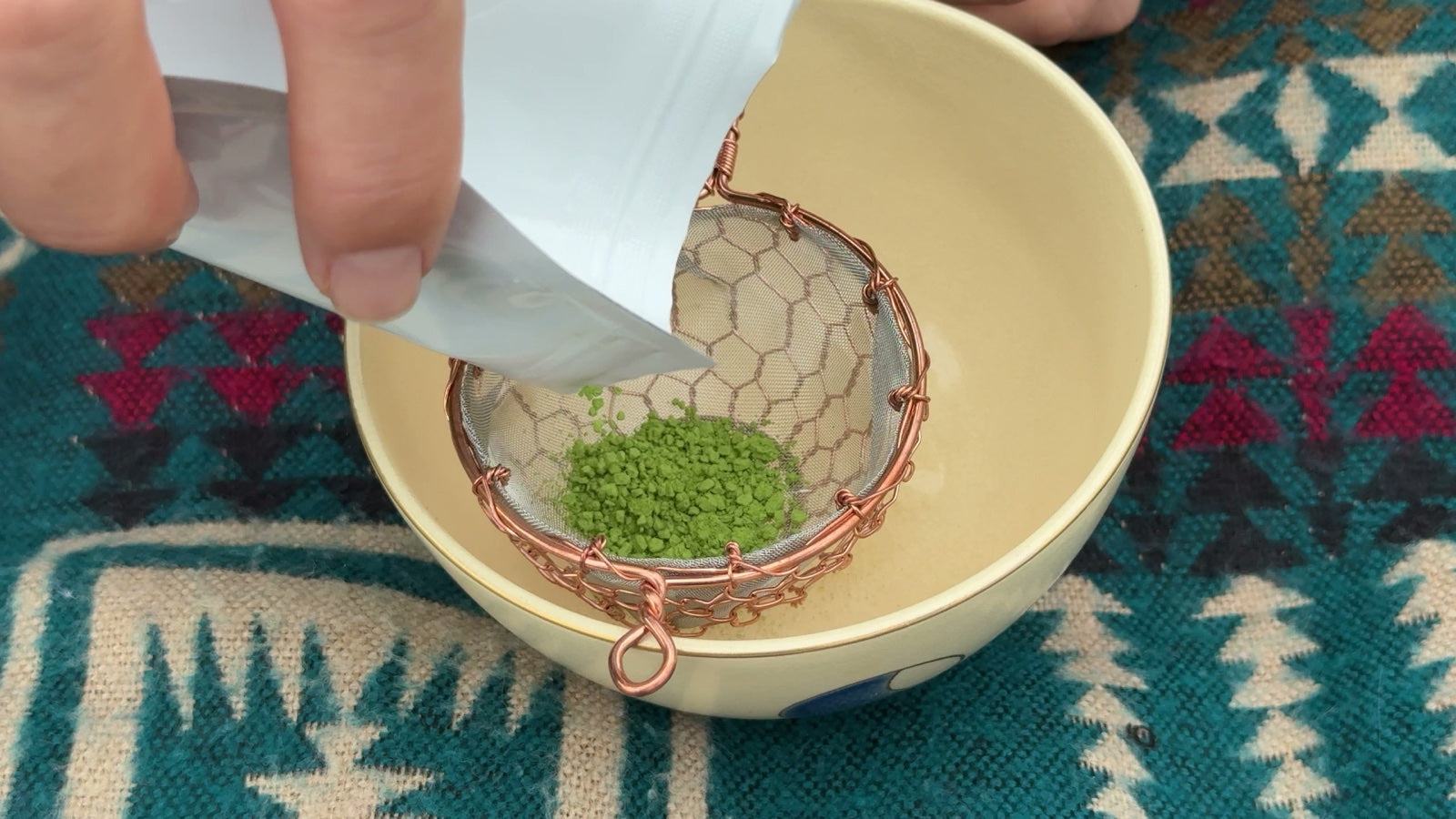
For ceremonial matcha, sift 1-2 grams of powder into your bowl, add 70-80ml of 75-80C water, and whisk vigorously with a chasen (bamboo whisk) until frothy. You're getting the full catechin payload regardless of steep time, because there are no leaves to discard.
Cold brewing is worth mentioning. Cold-brewed green tea (refrigerator overnight) extracts less EGCG but more L-theanine, the amino acid responsible for calm focus. If relaxation is your priority over catechin content, cold brew is a legitimate choice.
For brewing tips that maximize EGCG extraction, see our matcha temperature guide.
Is EGCG Safe? What About High-Dose Supplements?
The European Food Safety Authority (EFSA) reviewed the evidence and concluded that EGCG supplements delivering 800+ mg/day have been linked to elevated liver enzymes in some individuals (PMC7009618). By contrast, EGCG from beverages at intakes up to 704 mg/day showed no such association. There is a meaningful safety distinction between drinking tea and swallowing concentrated extract pills.
To put these numbers in perspective: a typical bowl of matcha (2g powder) contains roughly 113 mg of EGCG based on the Meyer 2023 data. A cup of brewed sencha might deliver 30-70 mg depending on the tea and brewing method. You would need to drink 7-8 bowls of matcha daily to approach the 800 mg threshold, and even then, the beverage form appears to be processed differently by the liver than concentrated supplements.
Why Supplements Carry Different Risks
Capsules deliver a bolus dose of EGCG that hits the liver all at once. Tea delivers EGCG gradually, alongside other compounds (L-theanine, other catechins, minerals) that may modulate its effects. The food matrix matters. This is why food scientists generally recommend getting EGCG from tea rather than pills, and why EFSA drew the distinction they did.
If you're taking green tea extract supplements, discuss the dosage with a healthcare provider. For tea drinkers, even enthusiastic ones consuming 4-5 cups per day, the safety profile is excellent based on both the clinical evidence and centuries of traditional use in Japan.
How Does EGCG in Matcha Compare to Other Polyphenol Sources?
Matcha stands out among polyphenol-rich foods for its concentration and delivery. Kochman et al. (2020) measured matcha beverages at 1,968.8 mg/L for flavonoids and 1,765.1 mg/L for total polyphenols (PMC7231151). Those numbers rival or exceed most commonly cited "antioxidant-rich" foods, including blueberries and dark chocolate, on a per-serving basis.
But comparing polyphenol sources is tricky. Different polyphenols do different things. The resveratrol in red wine isn't interchangeable with the EGCG in green tea. Quercetin in onions works through different pathways than catechins. What makes EGCG interesting isn't that it "beats" other polyphenols, it's that EGCG is the most studied polyphenol in human research, giving us better data on what it actually does.
A practical approach: don't chase a single compound. Eat a variety of colorful, polyphenol-rich foods and include green tea as one pillar of that approach. The epidemiological evidence supporting green tea comes from populations that drink it daily as part of a broader dietary pattern, not from people hyper-optimizing a single molecule.
Try it yourself with our organic ceremonial matcha, sourced directly from Japanese farms.
What Does the EGCG Timeline Look Like in Your Body?
EGCG reaches peak plasma concentration within 1-4 hours after consumption, then declines with a half-life of approximately 3.9 hours (PMC9820274). This pharmacokinetic profile helps explain why traditional Japanese tea culture involves multiple servings throughout the day rather than a single large dose. Spreading your intake maintains steadier blood levels of the compound.
Here's what this means practically. If you drink matcha at 8 AM, about half the EGCG is cleared from your blood by noon. A second cup at lunch refreshes those levels. A third in the mid-afternoon maintains the curve. Three moderate servings spread across the day likely produce more consistent EGCG exposure than one large morning dose.
This pattern also aligns with caffeine management. Matcha contains caffeine alongside L-theanine, and the combination produces a calm, sustained alertness rather than the spike-and-crash of coffee. Spreading consumption across the day keeps both the EGCG and the caffeine-theanine balance working in your favor.
[ORIGINAL DATA: The practical recommendation to spread 3 servings across the day is derived from combining the 3.9-hour half-life data with traditional Japanese consumption patterns observed during farm visits.]
Because EGCG's effect on fat oxidation is the mechanism most people are chasing, it pairs naturally with our practical guide to the best matcha for weight loss, which covers grade, dosage, and daily ritual.
Frequently Asked Questions About EGCG in Green Tea
How much EGCG is in one cup of matcha?
A standard bowl of matcha uses about 2 grams of powder. Based on Meyer et al. (2023) data showing ceremonial matcha contains 56.57 mg/g (PMC10665233), one serving delivers roughly 113 mg of EGCG. Because you consume the whole leaf, all of that EGCG enters your cup, unlike steeped tea where 30-60% remains trapped in discarded leaves.
Is EGCG destroyed by boiling water?
Boiling water (100C) does degrade EGCG, but it doesn't destroy it completely. Research indicates that 85C for 3-5 minutes optimizes extraction without excessive degradation (PMC4573099). For matcha, use even cooler water (75-80C) since you're consuming the whole leaf and don't need high temperatures for extraction. The lower temperature also produces a smoother, less bitter taste.
Can you take too much EGCG?
From tea beverages, it's difficult to overconsume. EFSA found no safety concerns at intakes up to 704 mg/day from tea (PMC7009618). The concern is concentrated supplements above 800 mg/day, which have been linked to liver enzyme elevation. Stick to tea rather than extract capsules, and you're well within safe limits even at 4-5 cups per day.
Does matcha really have 137 times more EGCG than green tea?
No. That widely repeated claim comes from a single 2003 study (Weiss and Anderton) that compared matcha to one specific low-quality bagged tea, and it measured EGCG rather than total antioxidants. The same paper puts matcha at "at least three times higher than the largest literature value for other green teas", and the broader Meyer et al. (2023) testing shows the per-gram ranges overlap. Matcha's genuine advantage is whole-leaf consumption, meaning you ingest 100% of available catechins rather than the 40-70% extracted by steeping.
Should I drink green tea on an empty stomach for more EGCG?
Research suggests food reduces EGCG absorption by 30-100% (PMC7278615). Drinking tea between meals, rather than with food, likely improves catechin uptake. However, some people experience stomach discomfort from green tea on a completely empty stomach. A light approach: drink your tea 30-60 minutes before or after meals rather than alongside them.
The Bottom Line on EGCG Green Tea Benefits
EGCG is the most abundant and most studied catechin in green tea, with genuine scientific evidence supporting cardiovascular, metabolic, and antioxidant benefits. The research is strongest for consistent, long-term consumption of green tea as a beverage rather than short-term supplementation.
Matcha's real advantage isn't an inflated "significantly more" figure. It's that you consume the entire leaf, getting 100% of available EGCG per serving. Combined with proper water temperature, between-meal timing, and daily consistency, matcha is one of the most efficient ways to incorporate EGCG into your life.
We source our matcha directly from organic farms in Japan because origin and processing quality directly affect catechin content. If you're looking to start or upgrade your green tea practice, our USDA Organic Ceremonial Matcha delivers a clean, vibrant catechin profile in every bowl. And for those who prefer the ritual of steeping, our organic Japanese sencha is a beautiful daily companion.
The science of EGCG is still unfolding. What we know today is compelling. What we'll learn in the next decade may be transformative. In the meantime, the simplest advice is also the oldest: drink good tea, drink it often, and enjoy the practice of it.
Ready to dive deeper? Explore the full health benefits of matcha.
Looking for ceremonial matcha sourced honestly from named Japanese regions?
USDA Organic and JAS certified, third-party lab tested, direct from family farms.
Shop Matcha CollectionInquire About WholesaleMore in the matcha science series: Matcha & cholesterol · Matcha & blood sugar · Matcha before a workout
More in the matcha science series: Matcha & skin · Matcha & inflammation
Share:
High Quality Japanese Green Tea: A Sourcing-First Guide
The Essential Guide to a Sieve Stainless Steel for Perfect Matcha