



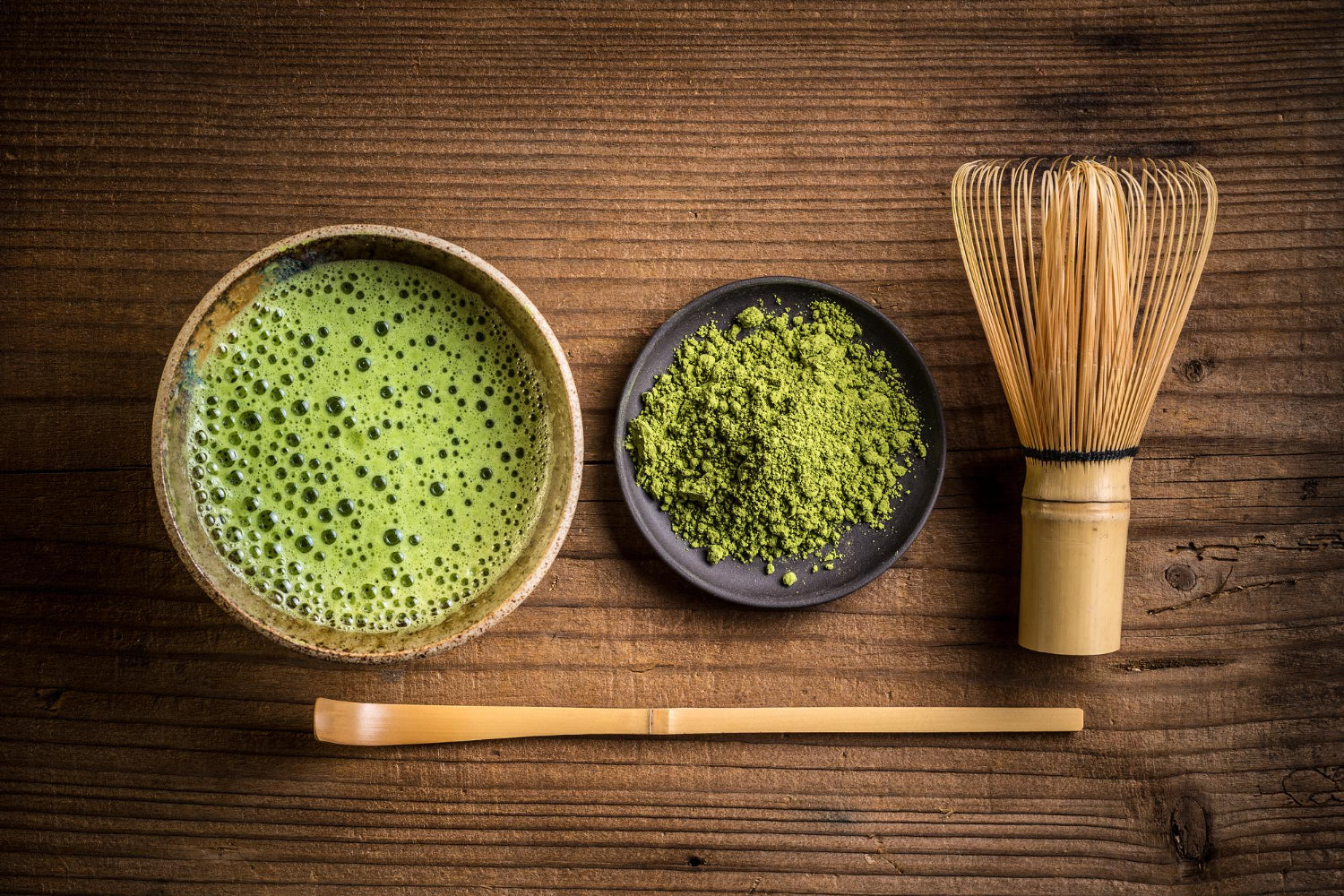
Quick answer: The best water temperature for matcha is about 175°F (80°C). Water hotter than ~185°F (85°C) scorches the fine powder and turns it bitter, while water that is too cool won't dissolve it smoothly. For premium or ceremonial matcha, aim slightly cooler, around 160 to 175°F (70 to 80°C).

From our tea room
Organic Ceremonial Matcha Powder - USDA Certified (30g)
Stone-milled ceremonial grade, USDA Organic, third-party lab tested.
View Ceremonial MatchaIf you've ever been disappointed by a bitter, dull cup of matcha, I can almost guarantee the culprit wasn't your whisking technique or the matcha itself. It was the water. Getting the temperature just right is the single most important step to unlocking that vibrant, smooth flavor you're after.
Quick Answer: The Best Temperature for Matcha
- Ceremonial matcha: 160–175°F (70–80°C). Never boiling water.
- Matcha latte: 150–160°F (65–70°C) for the matcha base, then add steamed milk.
- Cold brew matcha: Room-temperature filtered water, whisked or shaken, then refrigerated 2–4 hours.
- Why it matters: Water above 175°F (80°C) extracts excess catechins, producing the bitter, astringent taste most beginners blame on the matcha itself.
- If no thermometer: Boil the water, then let it sit 60–90 seconds. It will land in the 170–175°F range.
For most matcha, the sweet spot is somewhere between 160-175°F (71-80°C). Nail this, and you'll be rewarded with a cup bursting with sweet umami notes and a powerhouse of antioxidants. Miss it, and you're headed for a bitter brew.
Quick Reference: Best Water Temperature by Matcha Use
- Ceremonial-grade matcha (traditional usucha): 160-175°F (71-80°C). This is the sweet spot for first-harvest tencha, preserves umami amino acids while extracting balanced flavor.
- Higher ceremonial / first-flush: 160-165°F (71-74°C). Cooler protects the most delicate L-theanine and chlorophyll.
- Culinary-grade matcha (lattes, baking): Up to 185°F (85°C). The leaf is more robust and pairs with milk or sugar.
- Matcha lattes: Whisk at 160-170°F (71-77°C) before adding milk.
- Iced matcha: Cool or room-temperature water (50-100°F / 10-38°C). No heat needed.
- Above 185°F (85°C): Avoid. Burns catechins, destroys vibrant green color, produces bitter and astringent flavor.
Why Water Temperature Is the Secret to Perfect Matcha
I like to think of the delicate compounds in matcha powder as being locked away in different rooms, and water temperature is the key. When the water is too hot, especially boiling water straight from the kettle, it's like using a sledgehammer. You blast open the door to the "bitterness" room, flooding your cup with harsh compounds called catechins. This is the most common mistake people make, and it’s why so many first-time matcha drinkers are met with a harsh, astringent taste.
On the other hand, if your water is too cool, it doesn't have enough energy to unlock the best rooms at all. The result? A weak, flat-tasting brew that refuses to froth, often leaving you with sad little clumps at the bottom of your bowl. The real magic happens in that precise temperature window.
Unlocking Flavor, Color, and Nutrients
That 160-175°F (71-80°C) range isn't just a random number. It's the perfect temperature for brewing high-quality ceremonial matcha, like the kind we source at One with Tea.
This specific window is where you maximize the extraction of L-theanine, the wonderful amino acid responsible for matcha's signature calm, focused energy and its subtle sweetness. If you push the temperature past 175°F, you start to over-extract those bitter catechins, which really come out to play above 80°C.
Hotter water also wreaks havoc on the chlorophyll, the compound that gives matcha its electric green color. Too much heat will literally cook it, turning your beautiful green tea into a murky, yellowish-brown liquid. This is a topic brewing experts are passionate about, and you'll find this temperature discipline in all serious brewing guides.
Getting the temperature right ensures you experience matcha at its absolute best:
- Vibrant Color: You're preserving that gorgeous, bright green hue.
- Rich Umami Flavor: It coaxes out the savory-sweet notes without scorching the leaves and releasing bitterness.
- Maximum Nutrients: You're protecting the delicate antioxidants and amino acids from heat damage.
- Creamy Froth: The right temperature helps create that perfect, velvety microfoam when you whisk.
Now, let's break down the ideal temperatures for different types of matcha.
Matcha Temperature Quick Guide
This little table is a great starting point for dialing in the perfect temperature for your specific brew. Remember that a lower temperature will always yield a sweeter, mellower cup, while a higher temperature will bring out more robust, slightly more astringent notes.
| Matcha Type | Ideal Temperature Range (°F/°C) | Resulting Flavor Profile |
|---|---|---|
| Ceremonial Grade (Usucha) | 160-175°F (71-80°C) | Sweet, smooth, rich umami, minimal bitterness |
| Ceremonial Grade (Koicha) | 175-185°F (80-85°C) | Intense, deeply savory, thick, and syrupy |
| Culinary Grade (Lattes, etc.) | 175-180°F (80-82°C) | Bold and robust to stand up to milk and sweeteners |
Experimenting within these ranges is part of the fun. You'll quickly find the exact temperature that creates the perfect cup for your personal taste.
By mastering this one simple variable, you completely transform your matcha experience. For a detailed walkthrough of the entire process, from sifting to serving, be sure to check out our comprehensive brewing instructions. You'll be making magnificent matcha at home in no time.
For the full step-by-step method, see our matcha preparation guide. If your bowl refuses to foam, our matcha frothing troubleshooter walks you through the fix. And to dial in strength, see how much matcha powder to use per cup.
The Science of Flavor in Your Matcha Cup
Ever wonder why one cup of matcha tastes heavenly and another is just... bitter? The secret is in the water temperature. Think of your matcha powder as a delicate bundle of different compounds. The temperature of your water acts like a key, deciding which of those compounds get released into your cup.
Using boiling water is the fastest way to ruin a good bowl of matcha. It's like a brute-force attack on the tea leaves, instantly releasing the bitter-tasting compounds called catechins. While catechins have health benefits, too much heat extracts them so aggressively that they completely steamroll the tea's sweeter, more complex notes.
The Sweet Spot for Flavor and Nutrients
The best temperature for matcha isn't just about taste preference, it's about chemistry. The goal is to coax out the good stuff, like L-theanine (which gives matcha its famous calm-alert feeling and savory umami flavor) and chlorophyll (for that vibrant green color), without waking up the bitter catechins. This is why that 160-175°F (71-80°C) range is your golden ticket.
This is the sweet spot where you get a perfect, balanced brew every time.

As the infographic shows, hitting this ideal temperature window is how you unlock that rich umami flavor and brilliant color while keeping bitterness out of the equation.
Preserving Matcha’s Delicate Chemistry
This isn't just folk wisdom. Water between 70-80°C is the usual recommendation for getting the most out of matcha, and the reason is extraction chemistry rather than tradition. This temperature keeps more of the heat-sensitive L-theanine and vitamins intact while holding back the harsh catechins, which are the compounds hotter water pulls out fastest.
At 80°C, for example, amino acids like theanine are about 80-85% extracted. But crank the heat just a bit more to 90°C, and the bitterness compounds extract two to three times more aggressively. If you want to taste the difference yourself, whisk the same matcha at 70°C and at 90°C side by side.
This is about more than just taste. Cooler water pulls out less of the bitter catechins, so the cup reads rounder and sweeter, and that is the difference most drinkers notice from one brew to the next.
Getting the temperature right does more than just make a delicious cup of tea. It ensures you’re actually getting the full wellness benefits that matcha is so famous for. By working with the tea's delicate chemistry instead of against it, you get to control the entire experience, from the first sip to that lasting feeling of focused calm.
How to Brew Ceremonial Matcha
When you’re working with ceremonial grade matcha, you’re handling the very best of Japanese green tea. It’s known for its incredible sweetness and that deep, savory umami flavor. Protecting those delicate qualities isn't just a suggestion, it’s absolutely essential, and it all starts with the right water temperature.
For this premium tea, your sweet spot is the 160-175°F (71-80°C) range. If you go hotter, especially with boiling water, you'll scorch the fine powder. All that delicate flavor will vanish, replaced by a flood of bitterness.
The good news? You don't need any fancy gadgets to get this right. The simplest way is to just boil your water and then let it cool down.

The Boil and Wait Method
This is a foolproof technique that hits the perfect temperature for matcha every single time. Once your kettle comes to a boil, just take it off the heat, pop the lid open, and let it sit for a few minutes.
- For 160-175°F (71-80°C): Let the boiled water cool for about 3-4 minutes.
Here's another great trick if you're in a hurry: pour the boiling water back and forth between two mugs a few times. Each transfer sheds heat quickly, bringing the temperature right down into that ideal zone.
Traditional Matcha Preparation Steps
Once your water is ready, it's time to prepare your matcha the traditional way. Following these steps is what unlocks that smooth, frothy, and perfectly flavored cup we're all after. Taking a moment to do it right is what separates a good cup from a great one, especially when you're new to the world of high-quality tea.
- Sift Your Matcha: First things first, use a small, fine-mesh sieve to sift 1-2 teaspoons (around 2-4 grams) of matcha powder into your ceramic bowl (chawan). This step is non-negotiable, it breaks up clumps and is the key to a silky-smooth texture.
- Add a Little Water: Pour just a splash of your heated water (about 1-2 tablespoons) over the sifted powder.
- Create the Paste: Using your bamboo whisk (chasan), mix the powder and water into a smooth, dark green paste. Make sure there are no lumps or dry spots left at the bottom of the bowl.
- Add Remaining Water: Now, pour in the rest of your hot water, which should be about 2-3 ounces or 60-90 ml.
- Whisk to a Froth: It's time to whisk! Use a rapid “W” or “M” motion, not a circular stir. Keep your wrist loose and focus on creating froth, moving the whisk back and forth until a beautiful layer of fine, creamy foam covers the surface.
This process is designed to protect the delicate flavor of the ceremonial matcha and create that iconic frothy head that defines a traditional bowl. Be sure to enjoy it right away to experience its full character.
Temperature Tips for Matcha Lattes and Recipes
Taking your matcha beyond the traditional bowl and into a creamy latte, a vibrant smoothie, or even baked goods? That calls for a slightly different game plan for your water temperature. While preparing ceremonial matcha is all about coaxing out its subtle, sweet notes, culinary uses need a bolder flavor that won't get lost.
When other strong ingredients like milk and sweeteners enter the picture, you need the matcha’s distinct, earthy character to shine through.
For lattes and most recipes, the sweet spot for your water is right around 175°F (80°C). This is just a bit hotter than what we'd use for ceremonial tea. It’s still safely below boiling, so you won’t scorch the delicate powder, but it has enough energy to extract a more robust, assertive flavor profile that can stand up to anything you mix it with.
The Secret to a Clump-Free Latte
Ever wonder how baristas get their matcha lattes so perfectly smooth? The trick is to create a concentrated matcha "shot" first. This simple technique is your best defense against those pesky clumps and ensures every sip is silky smooth.
By whisking your matcha powder with just a tiny amount of hot water to start, you create a smooth paste. This guarantees every single particle is fully hydrated before you add your milk, whether it’s hot and steamy or poured over ice for a refreshing treat.
Step-by-Step for the Perfect Matcha Shot
Making a matcha shot is quick, but getting it right makes all the difference. Following these steps will give you a flawless base every single time. For an even more detailed walkthrough, you can learn how to make the perfect matcha latte from start to finish.
- Sift Your Matcha: Always start by sifting 1-2 teaspoons of your favorite matcha through a fine-mesh sieve into your bowl. This is the most crucial step for preventing clumps.
- Add a Splash of Hot Water: Pour just about one ounce (30 ml) of water heated to 175°F (80°C) over the sifted powder.
- Create a Paste: Use your bamboo whisk to gently mix the powder and water into a smooth, thick paste. Make sure there are no dry spots left.
- Add Remaining Water: Now, pour in another one ounce (30 ml) of hot water.
- Whisk Vigorously: It's time for the magic. Whisk back and forth in a quick "W" or "M" motion for about 20-30 seconds, until your shot is beautifully smooth and topped with a delicate layer of foam.
With your concentrated matcha shot ready, you can pour hot or cold milk directly over it. The result is an instantly perfect, clump-free latte.
Common Temperature Mistakes and How to Avoid Them
If your matcha tastes bitter or just falls flat, don’t worry. You’re in good company, and the fix is almost always surprisingly simple. Most of the time, it all comes down to water temperature, either you’re going in way too hot, or you’re playing it a little too cool.
Getting the temperature right isn't some secret art reserved for tea masters. It’s really just about sidestepping a couple of common blunders. Once you know what they are, you'll be able to get a perfect, delicious cup every single time.
The #1 Mistake: Using Boiling Water
The first and most frequent mistake is pouring boiling water straight from the kettle onto your matcha. Think of your delicate matcha powder like a tender green vegetable. Dousing it with water at 212°F (100°C) is like throwing it into a screaming-hot, dry pan, it just scorches.
This intense heat burns the finely milled tea leaves, which forces out a flood of bitter compounds known as catechins. The result? A harsh, astringent brew that completely smothers the matcha's lovely, natural sweetness. It also wrecks the chlorophyll, turning your vibrant green tea into a sad, muddy, yellow-green mess.
Problem: Your matcha tastes unpleasantly bitter and harsh. Fix: Just let your water rest. After your kettle clicks off, open the lid and give it 3-4 minutes to cool down before you pour. That simple pause is all it takes to drop the temperature into the sweet spot.
The Problem with Water That Is Too Cool
On the flip side, you have water that isn't hot enough. When your water dips below 140°F (60°C), it just doesn't have the energy to properly dissolve the powder and pull out all those amazing flavors.
With water that's too cool, you get a weak, underwhelming cup that tastes flat and lifeless. Even worse, the tea can’t properly emulsify, making it nearly impossible to whisk up that iconic, creamy froth. You’ll probably notice sad little clumps of matcha hanging out at the bottom of your bowl.
This tends to happen when people are trying so hard to avoid bitterness that they swing too far in the other direction.
Interestingly, it seems the matcha community has found the perfect middle ground. Most matcha makers settle on 175°F (80°C) as the sweet spot for flavor. At this temperature, the flavor extraction is just right. Go cooler than 60°C and you'll struggle to get a decent froth; go over 185°F and you can expect bitterness to jump by over 60% while slashing the vitamin C content by 35%. You can learn more from matcha experts about preserving flavor and nutrients.
Exploring Cold Brew Matcha for a Smoother Taste

We’ve talked a lot about getting the temperature just right for hot matcha, but what happens if you take heat out of the equation completely? If you’re looking for an incredibly smooth, naturally sweet, and refreshing experience, cold brew matcha is a phenomenal alternative. This method flips the whole extraction process on its head.
Instead of using heat to rapidly pull out flavors, cold brewing relies on time. It’s more like a slow, gentle infusion. While hot water can aggressively release those bitter catechins we talked about, cold water is far less effective at dissolving them. The result is a brew with practically no bitterness whatsoever.
The Gentle Power of Cold Water
The biggest win for cold brewing is its ability to create an exceptionally smooth and sweet flavor profile. This makes it a perfect entry point for anyone who finds the robust, earthy notes of a hot brew a bit too intense. It's also my go-to preparation for a hot summer afternoon.
Beyond just the taste, cold brewing is fantastic at preserving some of matcha's most delicate compounds. Certain antioxidants and vitamins that can break down in hot water are kept fully intact, giving you a slightly different (and potent) nutritional profile.
By avoiding heat, cold brew matcha maximizes the preservation of delicate antioxidants and L-theanine while minimizing the extraction of bitter catechins. The result is a sweeter, smoother, and incredibly refreshing drink that’s perfect for a clean energy boost.
A Simple No-Fuss Recipe
Making cold brew matcha is almost laughably simple, and you don’t need any special tools. It's a fantastic grab-and-go option that you can whip up in seconds.
- Add Matcha to a Bottle: Put 1-2 teaspoons of matcha powder into a bottle or jar that has a secure, leak-proof lid.
- Add Cold Water: Pour in 8-12 ounces of cold, filtered water.
- Shake Vigorously: Seal the bottle tightly and shake it for about 30 seconds. You're looking for the matcha to be completely dissolved with a nice layer of foam on top.
- Enjoy Immediately: You can drink it straight from the bottle or pour it over a glass of ice.
This method gives you a totally different, but equally delightful, expression of matcha. It truly highlights its sweet, mellow character in a way that heat just can't.
Brewing right starts with the leaf.
Temperature matters most when you have ceremonial-grade matcha worth protecting. Our matcha is stone-ground from first-harvest tencha in Uji, Nishio, and Yame, single-origin, organic, and crafted to reward the 160-175°F sweet spot with sweet, silky umami.
Water Temperature by Tea Type: One Chart
Matcha is whisked, not steeped, so its ideal water sits around 70 to 80°C (about 175°F). But if you drink other Japanese teas, the right temperature shifts with the leaf. Here is the quick reference, coolest to hottest.
| Tea | Water temperature | Why |
|---|---|---|
| Gyokuro | 50 to 60°C (122 to 140°F) | Shade-grown and delicate; low heat draws sweetness and umami, not bitterness |
| Matcha | 70 to 80°C (158 to 176°F) | Whisked whole; hotter water scorches the powder and turns it bitter |
| Sencha | 70 to 80°C (158 to 176°F) | Balances the grassy sweetness against a clean, light astringency |
| Kukicha | 80 to 90°C (176 to 194°F) | Twig tea is forgiving and opens up with a hotter pour |
| Hojicha, bancha, genmaicha | 90 to 100°C (194 to 212°F) | Roasted or mature leaf wants near-boiling water to release its aroma |
The pattern is simple: the more delicate and shade-grown the leaf, the cooler the water. Matcha sits in the middle, which is why a kettle pulled just off the boil and rested a minute is close to right. For the full matcha method, the ceremonial steps above walk it through.
Your Matcha Temperature Questions Answered
We get these questions all the time, so let's clear the air. Getting the water temperature right is one of those small details that makes a world of difference. Here are the most common things people ask, with simple, no-fuss answers to get you brewing like a pro.
What Happens If I Use Boiling Water for My Matcha?
Using boiling water, that's 212°F (100°C), is probably the single most common mistake, and it instantly torches your tea. Think of it like cooking delicate greens on a scorching-hot pan; the intense heat literally burns the fine, stone-ground tea leaves.
This scorching action forces out all the bitter-tasting catechins and tannins. What you're left with is a harsh, astringent flavor that completely smothers matcha's natural sweetness and umami depth. It also destroys the chlorophyll, turning your vibrant green tea into a sad, yellowish-brown brew. Boiling water ruins both the taste and the beautiful color.
The fix is incredibly simple: just let your boiled water sit with the kettle lid off for about 3-4 minutes. This little pause is all it takes to let the temperature fall into that perfect 160-175°F sweet spot.
Do I Really Need a Special Thermometer?
Absolutely not! While a fancy variable-temperature kettle is a great gadget to have, it's far from necessary. You can easily hit the ideal temperature for matcha with what you already have in your kitchen.
The "boil and wait" method is your best friend here. Just bring the water to a full boil, then take it off the heat and let it cool. A good rule of thumb is:
- For Ceremonial Matcha: Let it stand for 3-4 minutes to cool down to the 160-175°F range.
- For Lattes: A shorter wait of 2-3 minutes is perfect for getting it to around 175°F.
Here’s another old-school trick: pour the boiling water back and forth between two mugs about five or six times. Each transfer sheds heat quickly, bringing the temperature right down to where you need it.
Is the Best Temperature for a Matcha Latte Different?
Yes, you have a bit more wiggle room when you're making a latte. While you still want to steer clear of boiling water, you can go a little hotter, around 175°F (80°C), to make your initial matcha "shot."
That extra bit of heat helps pull out a stronger, more concentrated flavor that can stand up to several ounces of milk and any sweeteners you might add. The key is to first make a thick, concentrated paste by whisking the matcha powder with just a small amount of this hot water. This ensures it's perfectly smooth and dissolved before you pour in the rest of your ingredients.
Ready to brew a cup of pure, vibrant matcha? One with Tea offers organic, ceremonial grade matcha sourced directly from the finest tea fields in Japan. Experience the difference quality makes and align your mind and body with every sip. https://onewithtea.com
Looking for ceremonial matcha sourced honestly from named Japanese regions?
USDA Organic and JAS certified, third-party lab tested, direct from family farms.
Shop Matcha CollectionInquire About WholesaleNew to ceremonial matcha? Our USDA Organic Ceremonial Matcha (30g) is stone-ground, first-harvest, and sourced directly from named Japanese growers, the same standard this guide describes. May you become one with tea, one with yourself.
Share:
Caffeine in Matcha (USDA FoodData Central) vs Coffee
What Is Japanese Tea Ceremony An Insider's Guide to Chanoyu