



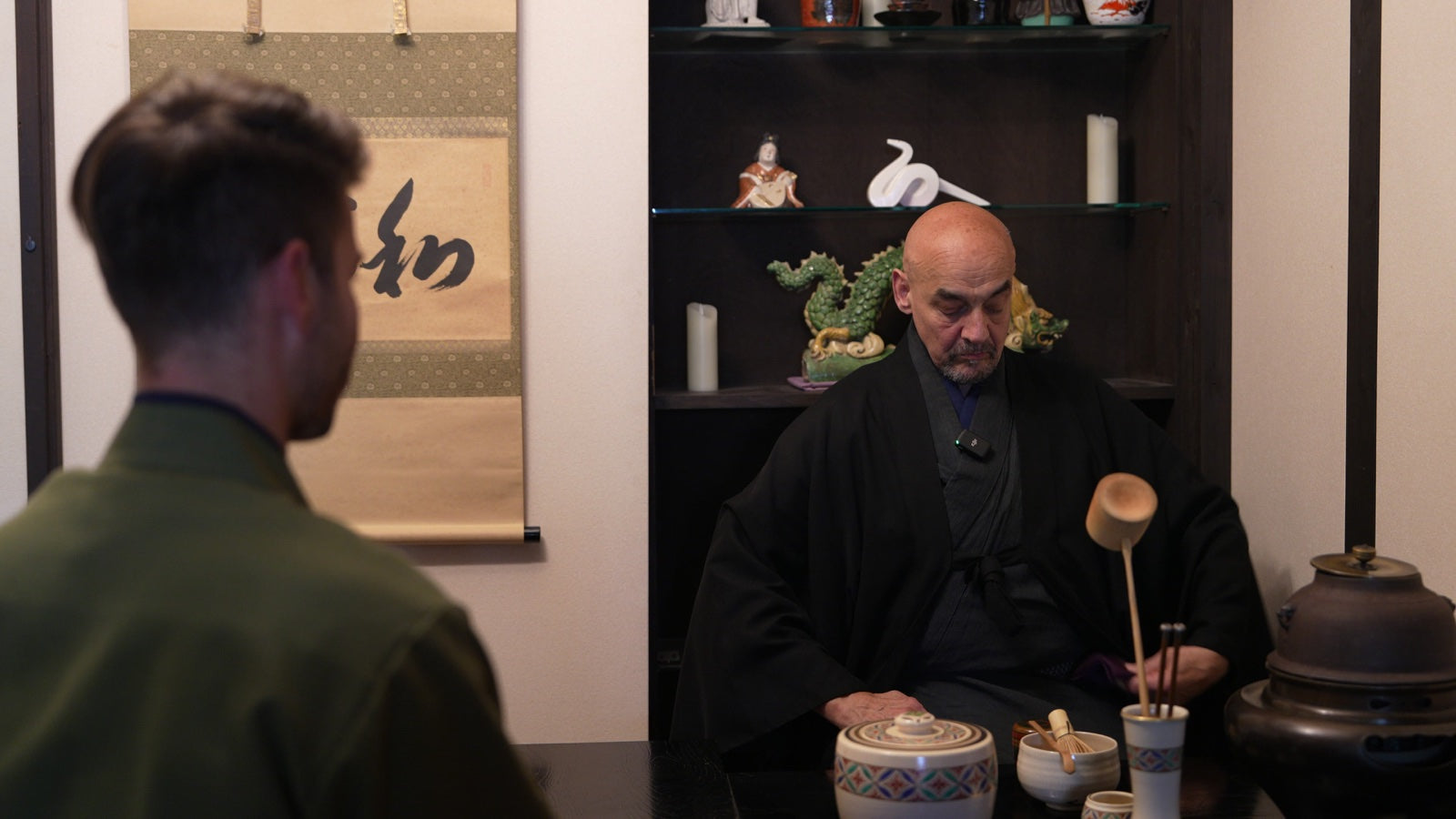
Shincha (新茶) literally means "new tea." It's the first tea harvested and processed in Japan each spring, the first flush, or ichibancha, of the year (Global Japanese Tea Association). Shincha isn't a separate category of tea. It's a sencha, made by the same steaming and rolling, sold fresh in the weeks right after picking and prized for a sweetness and aroma you can only catch once a year.

From our tea room
Superior Sencha Green Tea - USDA Organic Japanese First Flush
First-flush loose leaf, USDA Organic, direct from Japanese family farms.
View Superior SenchaIf you love Japanese green tea, shincha is the moment the whole calendar points toward. It's the first taste of a new growing season, and it tells you how the year's leaf is going to drink. Here's what shincha actually is, when it arrives, and how to get the most out of it.
Key Takeaways
- Shincha means "new tea." It's the season's first-flush (ichibancha) harvest, almost always sencha, sold fresh soon after picking (GJTA).
- The harvest runs roughly late April through May, moving from the warm south northward. The symbolic start is Hachiju-Hachiya, the "eighty-eighth night," which falls on May 2 (GJTA).
- First-flush leaves are rich in amino acids, including theanine, and lower in the catechins that create bitterness, which is why shincha tastes sweet and mellow (My Japanese Green Tea).
- Brew it cool, around 60 to 70°C, for about a minute to bring out umami and keep bitterness away (GJTA).
Caffeine at a glance: Shincha carries about 25 to 45 mg per 8-oz cup, similar to sencha, because shincha is simply first-flush sencha. See how it compares with every Japanese green tea in our caffeine-by-tea-type comparison.
What is shincha, exactly?
Shincha is the first tea of the year, picked in spring and sold fresh, and it's really a fresh-season sencha rather than a tea type of its own (GJTA). The leaves are steamed to stop oxidation, then rolled and dried, the same process behind everyday sencha. What sets shincha apart is timing. These are the very first leaves the plant pushes out after a long winter, and they carry everything the bush stored up over those cold months.
The name is a description, not a brand. Tea harvested and finished in that first spring window gets called shincha. After a month or two, the same tea is simply sold as sencha again (GJTA). So shincha is less a product and more a season, a short window when the year's freshest leaf reaches your cup.
We think of it as the tea world's version of a first harvest anywhere: the crop everyone waits for, tasted at its youngest. For a fuller map of the styles it sits alongside, see our guide to high-quality Japanese green tea.
When is the shincha season?
Shincha is harvested roughly from late April through May, starting earliest in Japan's warm southern regions and moving north as spring arrives later in cooler, higher areas (GJTA). Tea gardens on the southern island of Kyushu can reach harvest a couple of weeks ahead of gardens further north, so the "new tea" season rolls across the country rather than arriving everywhere at once.
There's a date at the heart of it. The traditional start of picking is Hachiju-Hachiya (八十八夜), the "eighty-eighth night," counted as the 88th day after Risshun, the first day of spring. It lands on May 2, or May 1 in a leap year, and the custom traces back to the Ise Goyomi calendar of 1656 (GJTA). Tea picked around this day has long been treated as especially auspicious, a small piece of ritual baked right into the harvest.
Because the window is short, shincha is genuinely seasonal. Miss the spring, and you're waiting until next year. If you want to follow how each harvest shapes supply and pricing across the market, we track it in our Japanese tea harvest and price tracker.
How does shincha fit into the year's harvests?
Shincha is only the opening act. A single tea bush is picked several times across the year, and each harvest, or flush, drinks a little differently. Farmers take a first harvest in spring, a second in summer, and a third in autumn from the same rows (GJTA). The first flush is the one everyone waits for. The later flushes trade sweetness for more body and briskness as sunlight builds and catechins rise.
| Harvest | Japanese name | Rough timing | Character |
|---|---|---|---|
| First flush | Ichibancha (shincha) | Early April to mid-May | Sweetest and most aromatic, richest in amino acids, most prized |
| Second flush | Nibancha | Late May to late June | Fuller and brisker, more astringent |
| Third flush | Sanbancha | Late July to mid-August | Bolder and more robust, higher in catechins |
| Autumn flush | Akibancha | September | Simple and sturdy, often finished as bancha |
This is why the calendar matters so much. The same bush that gives a sweet, delicate shincha in spring gives a stronger, plainer leaf by late summer. Spring tea is the most appreciated of the year, and each later harvest is a little less rich (GJTA). If you want only that first flush, spring is the window.
Why does freshness matter so much for shincha?
Freshness is the whole point of shincha. First-flush leaves are rich in amino acids while their catechin and caffeine content stays relatively low, which is what makes them sweet and low in astringency (My Japanese Green Tea). Over the winter the plant stores up amino acids like theanine. As the season goes on and sunlight increases, more of that theanine converts into catechins, so later harvests turn more bitter and brisk (GJTA).
That chemistry is why the first flush drinks so differently from summer leaf. It also fades. Shincha's signature is a vivid, grassy aroma that GJTA traces largely to volatile compounds like cis-3-hexen-1-ol, sometimes called "leaf alcohol" (GJTA). Those fresh notes are strongest early and soften with time, which is why shincha is meant to be enjoyed young.
Storage buys you a little room. Kept airtight and cold, ideally around 5°C and nitrogen-flushed, shincha holds its freshness far better than tea left in a warm cupboard (GJTA). Once you open a bag, though, treat it like something perishable and drink it while it sings.
What does shincha taste like?
Shincha tastes bright and green, with a sweetness that lands right up front and a fresh aroma that fills the room before the cup reaches your lips. Underneath sits a gentle umami, rounder than a summer sencha, with very little of the astringent snap that shows up later in the year. The body is light but not thin, and the finish stays clean and sweet rather than drying.
People reach for spring words to describe it: young grass, fresh peas, steamed greens, a faint whisper of the sea. Because the aroma is the headline, shincha rewards a warm pot and a quiet room, where you can catch the scent as the leaves open and unfurl. It is a tea to notice rather than to gulp, a few minutes of attention paid back in full.
Shincha vs sencha: what's the difference?
Shincha is a sencha. The difference is timing and freshness, not processing. Both are steamed, rolled, dried green teas, but shincha is specifically the first-of-season harvest sold soon after picking, while the sencha you see year-round may be that same first flush after resting, or a later summer or autumn harvest (GJTA). Rolling itself is old craft, a method GJTA credits to Nagatani Soen in 1738 (GJTA).
In the cup, that timing shows up as taste. Shincha leans sweeter, softer, and greener, carrying more of that just-picked aroma. A standard year-round sencha is usually more balanced and a touch brisker, built to be consistent across the seasons rather than to capture one fleeting moment. Neither is "better," they're built for different things.
If you like comparing styles side by side, our breakdown of sencha vs gyokuro shows how shade and timing reshape a leaf's flavor across the same tea family.
How do you brew shincha?
Brew shincha cool and short. GJTA recommends water around 60 to 70°C (140 to 158°F) with a steep of roughly 60 to 90 seconds, because cooler water pulls less bitter catechin and caffeine while keeping the umami-rich theanine intact (GJTA). For a delicate first flush, the lower end of that range works beautifully.
Here's a simple way to start. Use about 5 grams of leaf for a small 150 to 180 ml pot. Boil your water, then let it cool for a couple of minutes, or pour it between two cups to drop the temperature. Add the leaf, steep for about a minute, and pour completely so nothing keeps stewing. Taste as you go. If it's too grassy or thin, nudge the temperature up a few degrees on your next infusion.
| Infusion | Water temp | Steep time | Notes |
|---|---|---|---|
| First | 60 to 70°C (140 to 158°F) | About 60 seconds | About 5 g of leaf in a small 150 to 180 ml pot; use the lower end for a delicate flush |
| Second | Up to 70°C (158°F) | Shorter than the first | Warm the water slightly and pour a little quicker |
| Third | Up to 70°C (158°F) | Shorter again | The last of two to three good infusions |
Shincha usually gives you two or three good infusions, each a little different. Shorten the later steeps and warm the water slightly as you go. For the full method across green tea styles, see our guide to brewing green tea.
When should you buy shincha?
Buy shincha in spring, as close to harvest as you can. The season runs from late April through May, and the fresh "shincha" label typically holds for only about one to two months after production before the tea is sold as regular sencha (GJTA). That short window is exactly what makes it special, and what makes early ordering worth it.
This is also where the wider market matters. First-flush leaf is the most sought-after tea of the year, and supply shifts around it. In its 2025 reporting, GJTA noted Kagoshima overtook Shizuoka in first-flush production for the first time since records began in 1991, with Kagoshima near 8,440 tons against Shizuoka's roughly 8,120 tons (GJTA, 2025). Shizuoka reclaimed the first-flush lead the very next year: the 2026 harvest ran about 10,700 tonnes to Kagoshima's 9,610 (News On Japan), so the two now trade the top spot depending on the year and the metric. Regions rise and fall, but the pull toward that first spring harvest never changes.
We source our own leaf directly from Japanese farms, and spring is when we pay closest attention. We taste the new season as it comes off the bushes, because the first flush tells us how the whole year is going to drink. When we find shincha worth sharing, we bring it in fresh and move it quickly, the way it's meant to be enjoyed.
Frequently asked questions
What does shincha mean?
Shincha (新茶) literally means "new tea." It refers to the first tea harvested and processed in Japan each spring, the year's first flush or ichibancha, almost always a sencha sold fresh soon after picking (GJTA).
Is shincha the same as sencha?
Shincha is a type of sencha, made with the same steaming and rolling. The difference is freshness and timing: shincha is the first-of-season harvest sold right after picking, while sencha is sold year-round from that rested first flush or from later harvests (GJTA).
When is shincha harvested?
Shincha is harvested roughly late April through May, earliest in warm southern regions and later further north. The traditional start is Hachiju-Hachiya, the "eighty-eighth night," which falls on May 2, or May 1 in a leap year (GJTA).
Why does shincha taste sweeter than regular sencha?
First-flush leaves store amino acids like theanine over winter and stay lower in catechins, the compounds behind bitterness. As the season goes on, sunlight converts theanine into catechins, so later harvests turn brisker while shincha stays sweet and mellow (My Japanese Green Tea).
How do you brew shincha?
Use cool water, around 60 to 70°C, and a short steep of about 60 to 90 seconds. Cooler water reduces bitter catechins and caffeine while preserving umami-rich theanine, so a delicate first flush stays sweet (GJTA).
How long does shincha stay fresh?
Shincha is best enjoyed young, and the fresh label typically applies only about one to two months after production. Kept airtight and cold, ideally near 5°C, it holds its aroma far longer than tea stored warm (GJTA).
Taste the new season with us
Shincha is one of the purest ways to slow down and meet a season exactly where it is. Fresh leaf, a cooler pour, a minute of quiet while it steeps. That's the whole ritual, and it's worth keeping.
Shop our ceremonial and loose-leaf Japanese teas to bring the practice home. Buying for a shop, studio, or cafe? Inquire about wholesale and we'll help you source fresh, organic Japanese leaf your customers will love.
May you become one with tea, one with yourself.
Share:
Cooking With Matcha: A Founder's Guide to Grade and Heat
Best Organic Ceremonial Matcha 2026: Founder's Brand Picks