



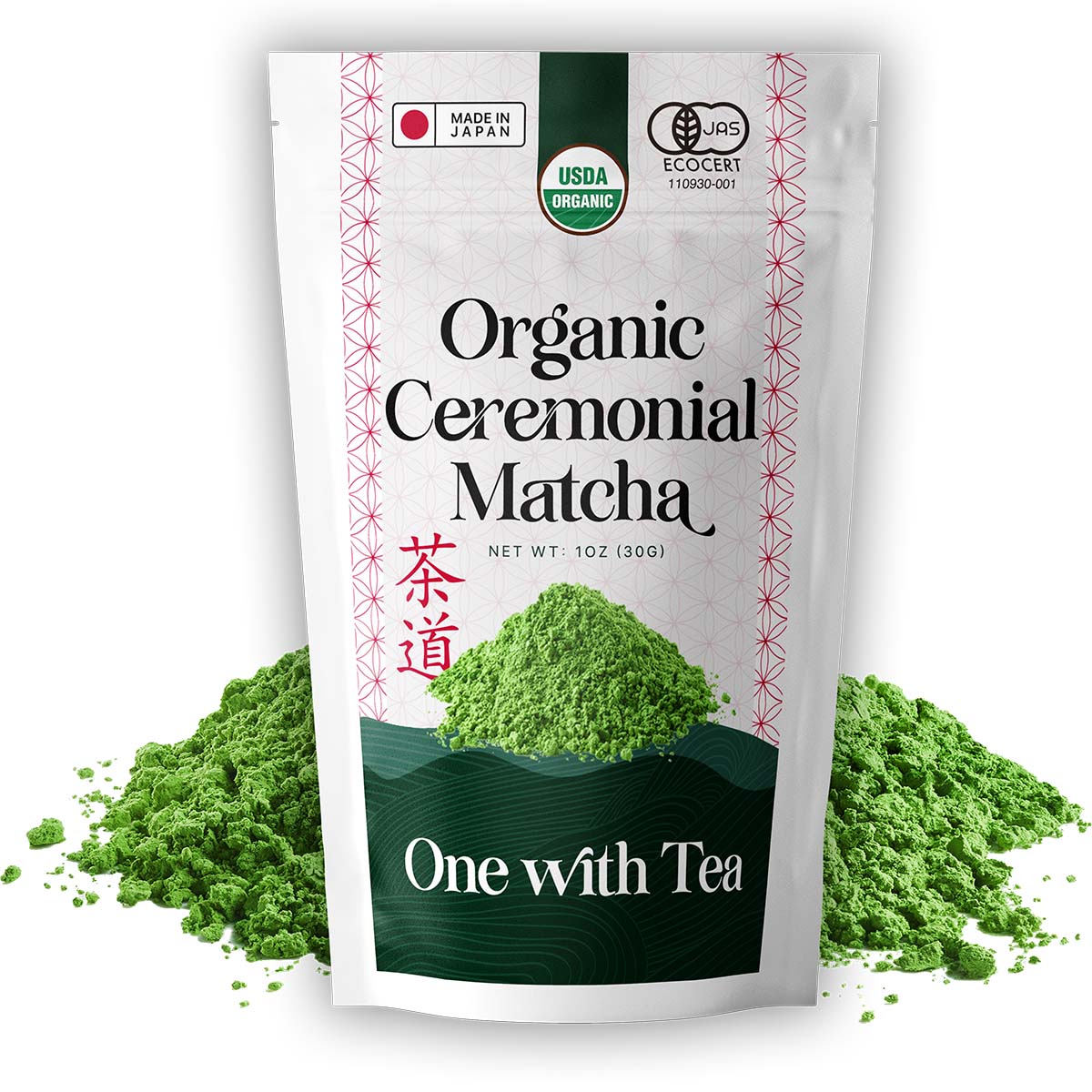

Organic Ceremonial Matcha Powder - USDA Certified (30g)
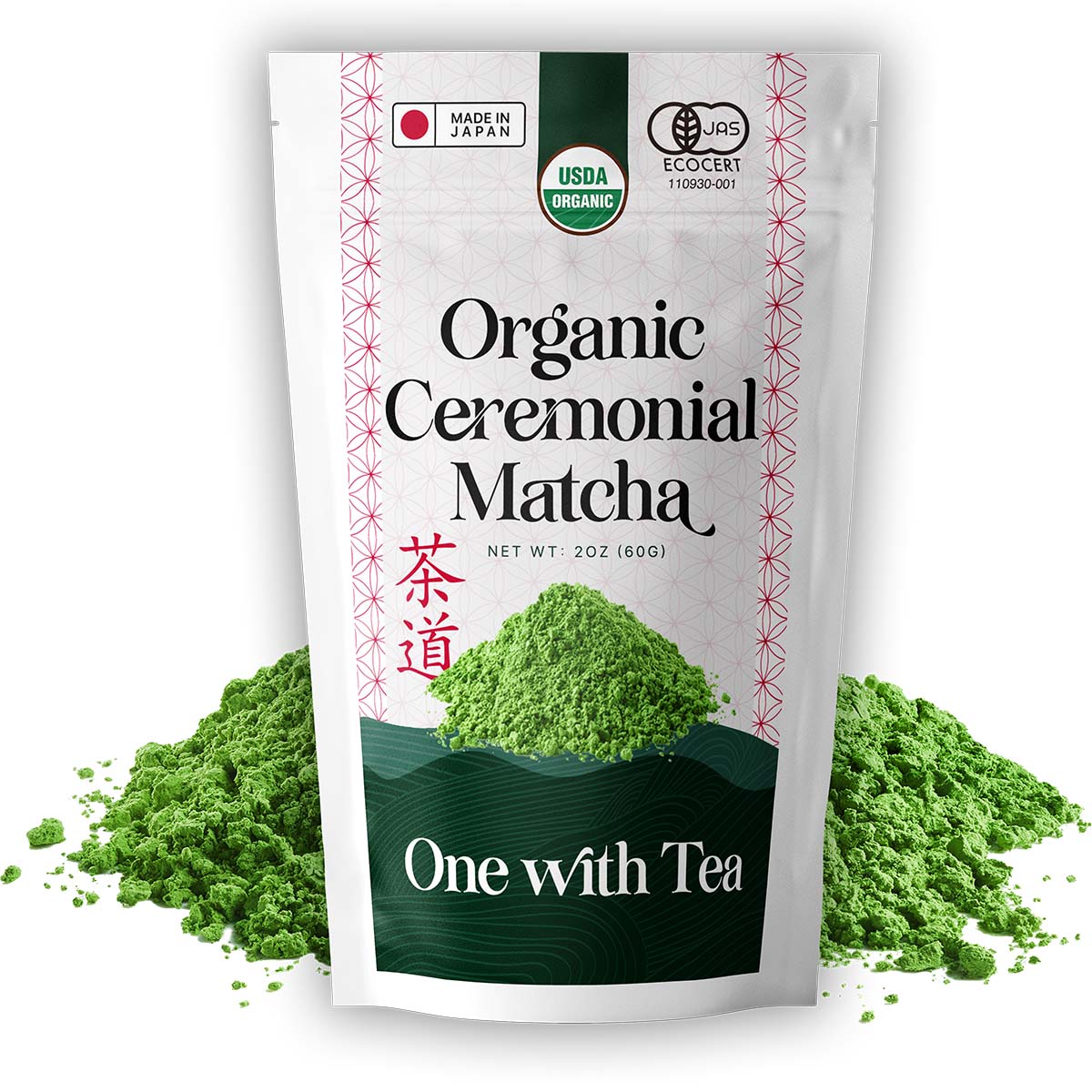

Organic Ceremonial Matcha Green Tea Powder - USDA Certified (60g)
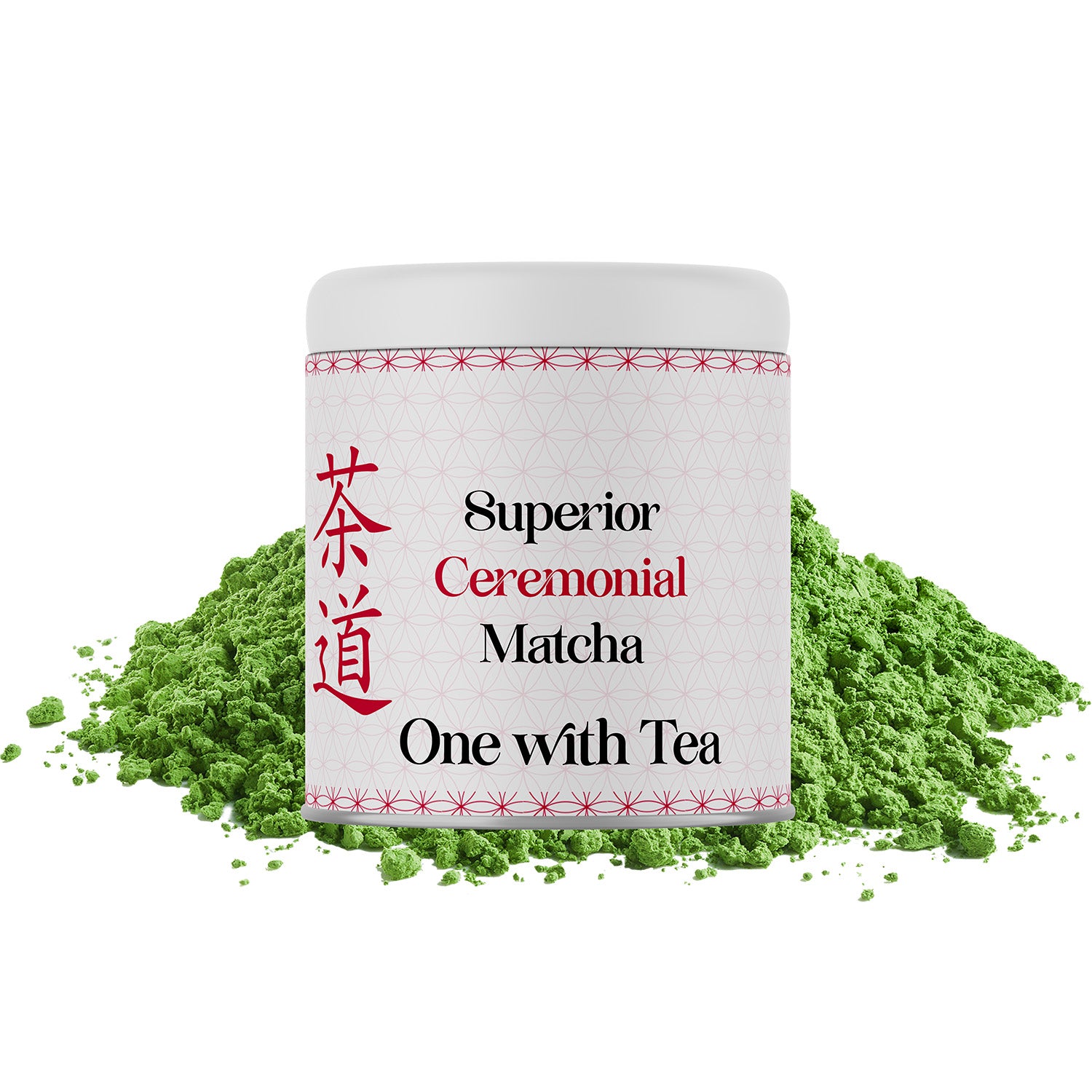
Superior Ceremonial Matcha Powder - 30g
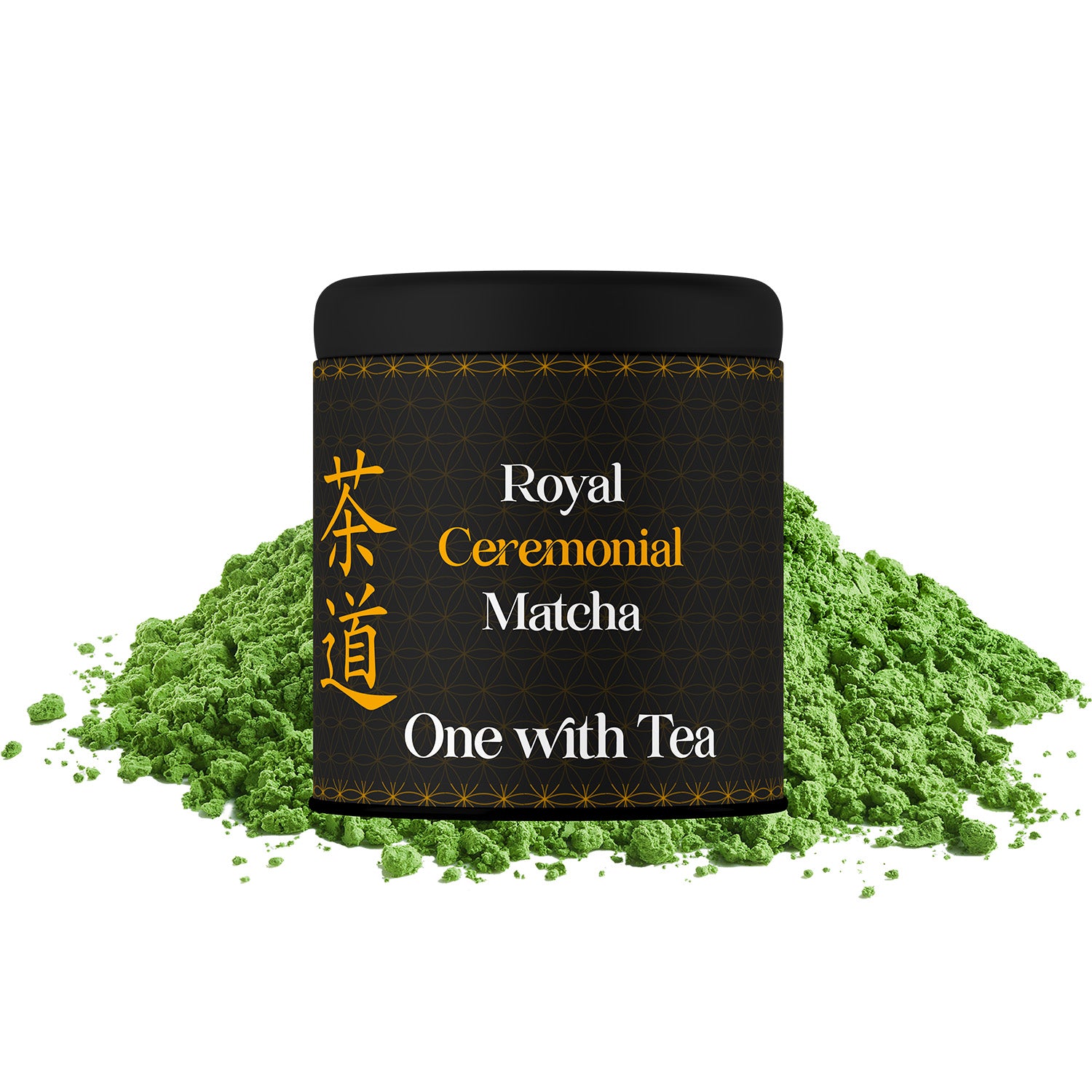
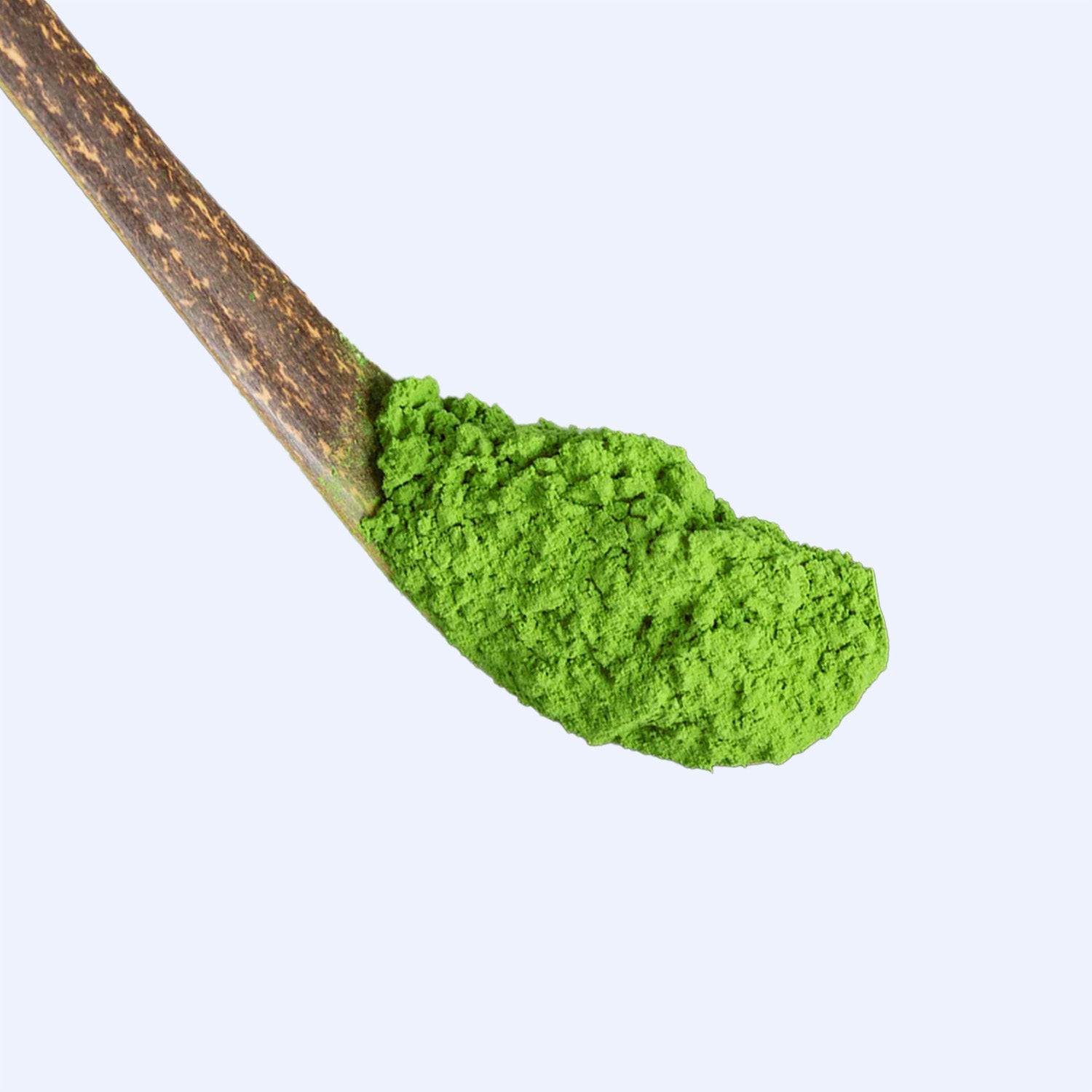

Royal Ceremonial Matcha - Hand-Picked - 30g
Ceremonial grade, defined
There is no Japanese government standard for the words "ceremonial grade," so they get stretched on a lot of labels. When we use them, we mean four things: young leaves from the spring harvest, shaded before picking, stems and veins removed, and milled slowly on stone rather than in a fast mill that heats the powder. Your cup tells you if it is true: a vivid green, a fine powder that stays suspended, and a sweet, grassy umami you can enjoy without sugar. For the long version, read our honest guide to what ceremonial grade matcha really is.
Choosing your tin
| If you are… | Start here |
|---|---|
| Just beginning the ritual | Organic Ceremonial Matcha, 30g, USDA Organic, sized for finding your ratio |
| Whisking most mornings | Organic Ceremonial Matcha, 60g, USDA Organic, from Shizuoka, restock less often |
| Ready to taste Uji | Superior Ceremonial Matcha, first-harvest leaf from Uji, Kyoto |
| Saving a bowl for a slow Sunday | Royal Ceremonial Matcha, hand-picked, the top of what we carry |
Why USDA Organic
Matcha is unusual among teas: you do not steep the leaf and throw it away, you drink the whole leaf, ground. That makes how it was grown matter more. Our Organic Ceremonial 30g and 60g tins are USDA Organic certified (our Superior and Royal matchas from Uji are not), which means the tea is grown without prohibited synthetic pesticides and fertilizers, and the certification is audited every year. Our matcha is also third-party tested for heavy metals and pesticide residues, and the method is laid out on our lab results page.
Ceremonial or latte?
Ceremonial grade is made for water, whisked plain, where its sweetness has nowhere to hide. If most of your matcha goes into milk, a latte grade holds its flavor better against dairy and oat and costs less per cup. That is what our Latte Grade Matcha is for. Every tea we make sits side by side in the full matcha collection.
Your first bowl
Sift 1 to 2 teaspoons (2 to 4 g) into a bowl, add about 70 ml of water around 175°F (80°C), and whisk in a quick W until a fine foam rises. Water that is too hot is the most common reason good matcha tastes bitter. Ratios live in how much matcha per cup, and the full ritual in our preparation guide. Serving ceremonial matcha in a café or studio? See wholesale.
Ceremonial Matcha FAQ
What does ceremonial grade mean for matcha?
It describes matcha made to be whisked with water and enjoyed plain: young, shade-grown leaves, usually from the first spring harvest, destemmed and stone-ground into a fine, bright green powder. It is not a regulated term, so trust the color, texture and taste over the label alone.
What is the difference between ceremonial grade and regular matcha powder?
Regular or culinary matcha is usually made from later-harvest, more mature leaves. It tastes more astringent and is meant for baking and blending. Ceremonial grade is sweeter, smoother and finer, so it shines with nothing but water.
Can you use ceremonial grade matcha for lattes?
Yes, and it makes a lovely latte. Milk softens some of its nuance, though, so if lattes are your daily ritual, our Latte Grade Matcha gives a bolder flavor in milk at a lower cost per cup.
How much ceremonial matcha should I use per cup?
Use 1 to 2 teaspoons (2 to 4 g) with about 70 ml of water at around 175°F (80°C). Start at the lower end and adjust to taste.
Is your ceremonial matcha organic?
Our Organic Ceremonial Matcha in 30g and 60g is USDA Organic certified. Our Superior and Royal matchas from Uji are not certified organic. All of our matcha is third-party tested for heavy metals and pesticide residues. See our lab results page for how we test.
How should I store ceremonial matcha?
Keep it sealed, somewhere cool and dark, away from heat, light and moisture. Once opened, enjoy it within a few weeks while the color and aroma are at their brightest.